Introduction
Salmon is one of the most versatile and nutrient-rich fish available, boasting a delicate, buttery flavor and a firm texture that makes it ideal for quick weeknight dinners or special occasions. When paired with a brown sugar glaze, it transforms into a sweet, sticky, and savory dish that appeals to both seafood enthusiasts and picky eaters alike.
This Salmon with Brown Sugar Glaze recipe is designed for efficiency without compromising flavor. In just 25 minutes, you can prepare restaurant-quality salmon with caramelized edges, a moist interior, and a rich, slightly tangy glaze. It’s perfect for busy weeknights, dinner parties, or anytime you want a show-stopping entrée with minimal effort.
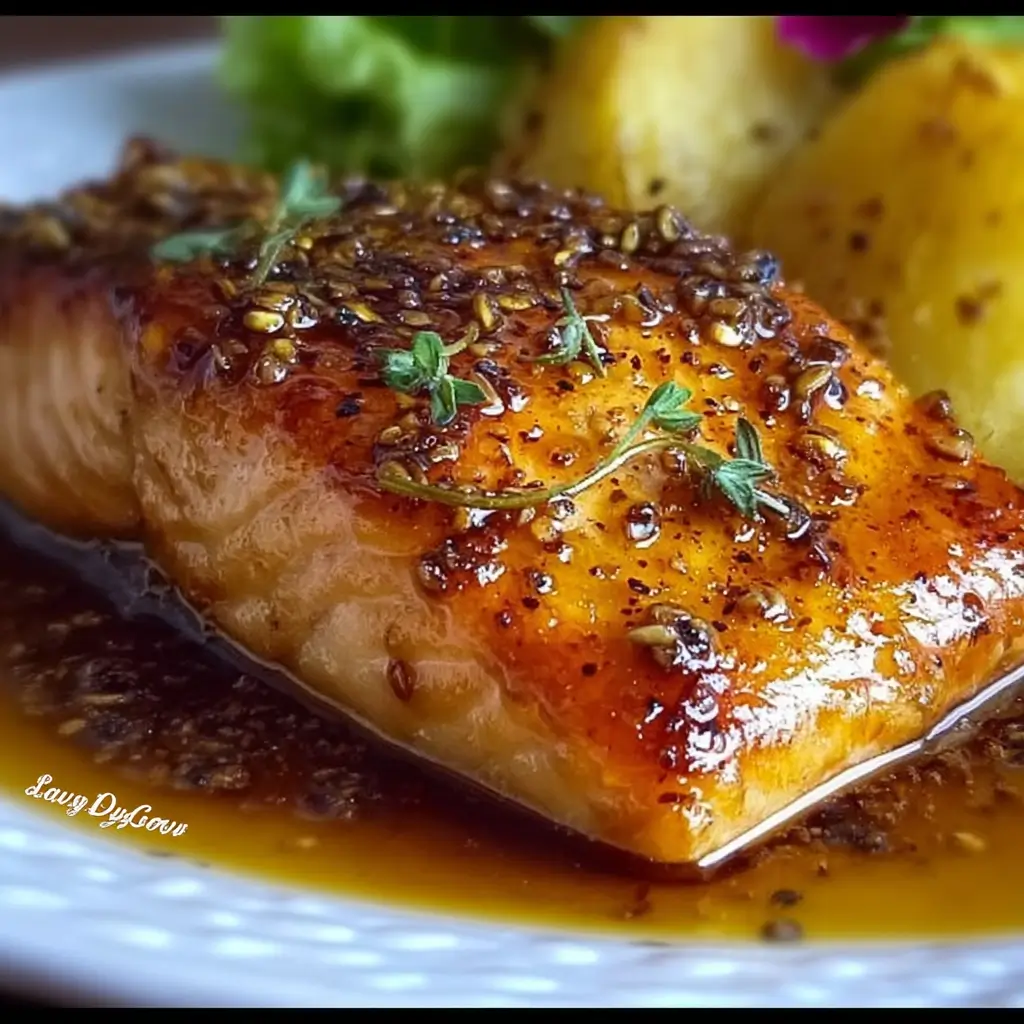
The brown sugar glaze combines a simple blend of pantry staples—brown sugar, soy sauce, lemon juice, garlic, and freshly cracked black pepper—to create layers of flavor. The glaze not only adds sweetness but also promotes caramelization during cooking, giving the salmon a visually appealing golden finish. Optional additions like fresh thyme or parsley elevate the aroma and presentation, while roasted baby potatoes or lemon wedges make this a complete, balanced meal.
In this article, you’ll find step-by-step instructions, tips for perfect caramelization, and advice for presentation and leftovers. We’ll also cover frequently asked questions to help you troubleshoot common issues and enhance your salmon-cooking skills.
Ingredients Overview
Understanding the purpose of each ingredient is key to achieving the best flavor and texture in this dish.
Salmon Fillets (Skin-On)
Using skin-on salmon helps retain moisture during cooking and provides structure to prevent the fillets from falling apart. The skin also crisps nicely if pan-seared, adding texture.
Brown Sugar
Brown sugar is the primary sweet component in the glaze. Its natural molasses flavor adds depth, balances the savory soy sauce, and promotes caramelization for a golden, sticky finish.
Soy Sauce
Soy sauce introduces umami and saltiness to the glaze, complementing the sweetness of the brown sugar while enhancing the natural flavor of the salmon.
Lemon Juice
Fresh lemon juice adds brightness and acidity, balancing the richness of the fish and the sweetness of the glaze. It also slightly tenderizes the salmon during marination.
Garlic
Minced garlic adds aromatic complexity and a savory kick that pairs beautifully with the caramelized glaze.
Black Pepper
Freshly cracked black pepper provides subtle heat and depth, ensuring the glaze isn’t overly sweet.
Olive Oil
Olive oil helps prevent sticking during cooking and contributes a mild, fruity undertone that complements the salmon.
Fresh Herbs (Optional)
Chopped fresh thyme or parsley adds visual appeal, color contrast, and a delicate herbal aroma.
Optional Sides
Baby potatoes or lemon wedges are excellent accompaniments. Roasted potatoes absorb some of the glaze and offer a comforting texture, while lemon wedges add fresh citrus brightness.
Preparation Method

This recipe can be prepared either in the oven or on the stovetop. Both methods yield moist, flavorful salmon with slightly different textures.
Step 1: Prepare the Glaze
In a small bowl, whisk together:
- 1/4 cup brown sugar
- 2 tablespoons soy sauce
- 1 tablespoon fresh lemon juice
- 2 cloves garlic, minced
- 1/2 teaspoon freshly cracked black pepper
Whisk until smooth and well combined. Set aside a small amount for brushing during the final minutes of cooking.
Tip: Whisking thoroughly ensures that the sugar dissolves completely, preventing a gritty texture on the salmon.
Step 2: Preheat and Prepare the Salmon
- Oven Method: Preheat the oven to 400°F (200°C).
- Skillet Method: Heat 1 tablespoon olive oil over medium-high heat in a nonstick or cast-iron skillet.
Pat the salmon fillets dry with paper towels. This step is crucial: excess moisture will prevent caramelization and can make the glaze watery.
Step 3: Apply the Glaze
Place the salmon fillets skin-side down on a baking tray (oven) or directly in the hot skillet (stovetop). Brush each fillet generously with the prepared glaze.
Pro Tip: For even caramelization, apply the glaze in thin layers rather than a thick coat. You can reapply glaze in the final minutes of cooking.
Step 4: Cooking
- Oven Method: Bake for 12–15 minutes, depending on thickness, until the salmon flakes easily with a fork. Brush with reserved glaze during the final 2–3 minutes for a glossy finish.
- Skillet Method: Sear for 4–5 minutes per side on medium-high heat, brushing with reserved glaze in the final minute.
Tip: Salmon cooks quickly. Remove from heat as soon as it flakes easily when tested with a fork. Overcooking will result in dry, less flavorful fish.
Step 5: Garnish and Serve
Sprinkle chopped fresh thyme or parsley on top. Serve immediately with optional roasted baby potatoes or lemon wedges.
Serving Suggestion: Pair with steamed green vegetables like asparagus, broccolini, or a crisp side salad for a well-rounded meal. The sweet glaze pairs especially well with lightly bitter greens.
Tips for Perfect Salmon Every Time
- Choose the Right Salmon: Fresh, high-quality fillets will always yield better results. Wild-caught salmon has a more robust flavor, while farmed salmon is milder and richer in fat.
- Even Thickness: For consistent cooking, try to use fillets of similar size and thickness.
- Room Temperature Fish: Let salmon sit out for 10–15 minutes before cooking. This ensures more even cooking.
- Pat Dry: Moisture is the enemy of caramelization. Always pat fillets dry before applying glaze.
- Monitor Heat: Medium-high heat is sufficient for skillet cooking. Too high can burn the glaze before the fish cooks through.
- Rest Before Serving: Allow the salmon to rest for 1–2 minutes after cooking. This lets juices redistribute for maximum moisture.
Optional Variations
- Honey-Soy Glaze: Substitute honey for brown sugar for a slightly different sweetness profile.
- Spicy Glaze: Add 1/4 teaspoon crushed red pepper flakes for a subtle heat that contrasts the sweetness.
- Citrus Twist: Mix orange or lime juice with lemon juice to give the glaze a unique, zesty flavor.
FAQs: Cooking Salmon with Brown Sugar Glaze
1. Can I use frozen salmon?
Yes, but ensure it is fully thawed and patted dry before cooking for the best results.
2. Can I prepare the glaze ahead of time?
Absolutely. The glaze can be mixed and stored in the fridge for up to 24 hours. Bring it to room temperature before applying.
3. How can I tell when the salmon is done?
Gently press the fillet with a fork. It should flake easily but remain moist. Overcooked salmon will appear dry and opaque.
4. Can I use a grill instead of the oven or skillet?
Yes. Preheat the grill and cook skin-side down first. Brush with glaze and close the lid to create a sticky, caramelized finish.
5. What side dishes pair well?
Roasted or mashed potatoes, steamed vegetables, rice, quinoa, or a fresh salad complement the richness of the glazed salmon.
Storage and Leftovers
Store any leftover salmon in an airtight container in the refrigerator for up to 2 days. Reheat gently in a skillet or oven at low heat to prevent overcooking and preserve the glaze.
Why This Recipe Works
- Balance of Flavors: Sweet brown sugar, tangy lemon, and savory soy sauce create a complex yet harmonious taste.
- Fast and Easy: Minimal prep and cooking time makes this ideal for busy weeknights.
- Restaurant-Quality Presentation: The caramelized glaze and optional fresh herbs elevate simple salmon fillets into a dish suitable for entertaining.
- Healthful Choice: Salmon provides high-quality protein, omega-3 fatty acids, and essential nutrients, making it a satisfying and nutrient-dense meal.
Conclusion
Whether you’re aiming for a weeknight dinner that feels indulgent or a simple but impressive meal for guests, Salmon with Brown Sugar Glaze delivers flavor, texture, and visual appeal in under 30 minutes. The sticky, caramelized exterior paired with tender, flaky salmon makes each bite irresistible.
With a few pantry staples and fresh herbs, you can create a dish that impresses without the stress. Pair with roasted vegetables, rice, or potatoes for a balanced plate, and enjoy a meal that is both comforting and elegant.
Serving Tip: For extra flair, drizzle a little of the pan juices over the salmon before serving. Garnish with extra lemon wedges for a bright, fresh finish.
Nutrition Information (Per Serving)
- Calories: 320 kcal
- Sugar: 9 g
- Sodium: 450 mg
- Fat: 18 g
- Saturated Fat: 4 g
- Unsaturated Fat: 13 g
- Trans Fat: 0 g
- Carbohydrates: 12 g
- Fiber: 0 g
- Protein: 28 g
- Cholesterol: 65 mg
Salmon with Brown Sugar Glaze: Sweet, Savory, and Simple
- Total Time: 25 minutes
- Yield: 4 servings
Description
Sticky, sweet, and savory salmon fillets glazed with brown sugar, soy sauce, garlic, and lemon juice. Quick, flavorful, and perfect for weeknight dinners or guests.
Ingredients
- 4 salmon fillets (skin-on)
- 1/4 cup brown sugar
- 2 tablespoons soy sauce
- 1 tablespoon fresh lemon juice
- 2 cloves garlic, minced
- 1/2 teaspoon freshly cracked black pepper
- 1 tablespoon olive oil
- 1 teaspoon chopped fresh thyme or parsley (optional)
- 1 cup baby potatoes or 1 lemon, quartered (optional for roasting)
Instructions
- In a small bowl, whisk together brown sugar, soy sauce, lemon juice, garlic, and black pepper until well combined.
- Preheat oven to 400°F (or heat a skillet with olive oil over medium-high heat if pan-searing).
- Pat salmon fillets dry with paper towels to remove excess moisture.
- Place salmon skin-side down on a baking tray or hot skillet and brush with glaze.
- Cook for 12–15 minutes in the oven or 4–5 minutes per side on the stovetop.
- Brush salmon with reserved glaze during the final few minutes of cooking.
- Garnish with thyme or parsley and serve with roasted potatoes or lemon wedges.
Notes
- Pat salmon dry before glazing to ensure caramelization.
- Do not overcook; remove when fish flakes easily.
- Use skin-on fillets to retain moisture and structure.
- Prep Time: 5 minutes
- Cook Time: 20 minutes
- Category: Main Dish
- Method: Bake or Pan-Sear
- Cuisine: American