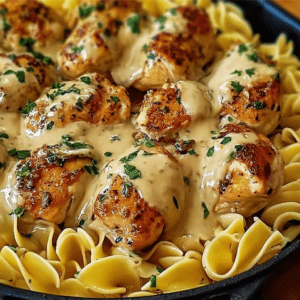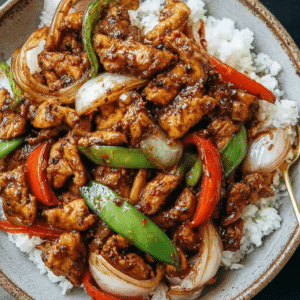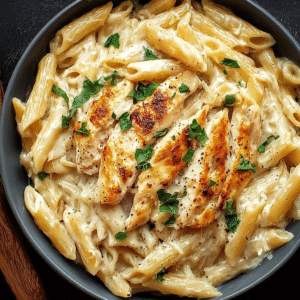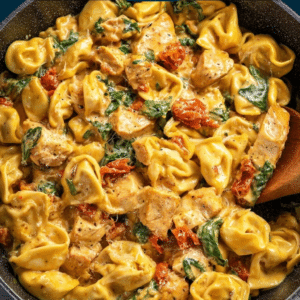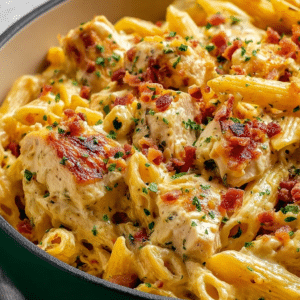
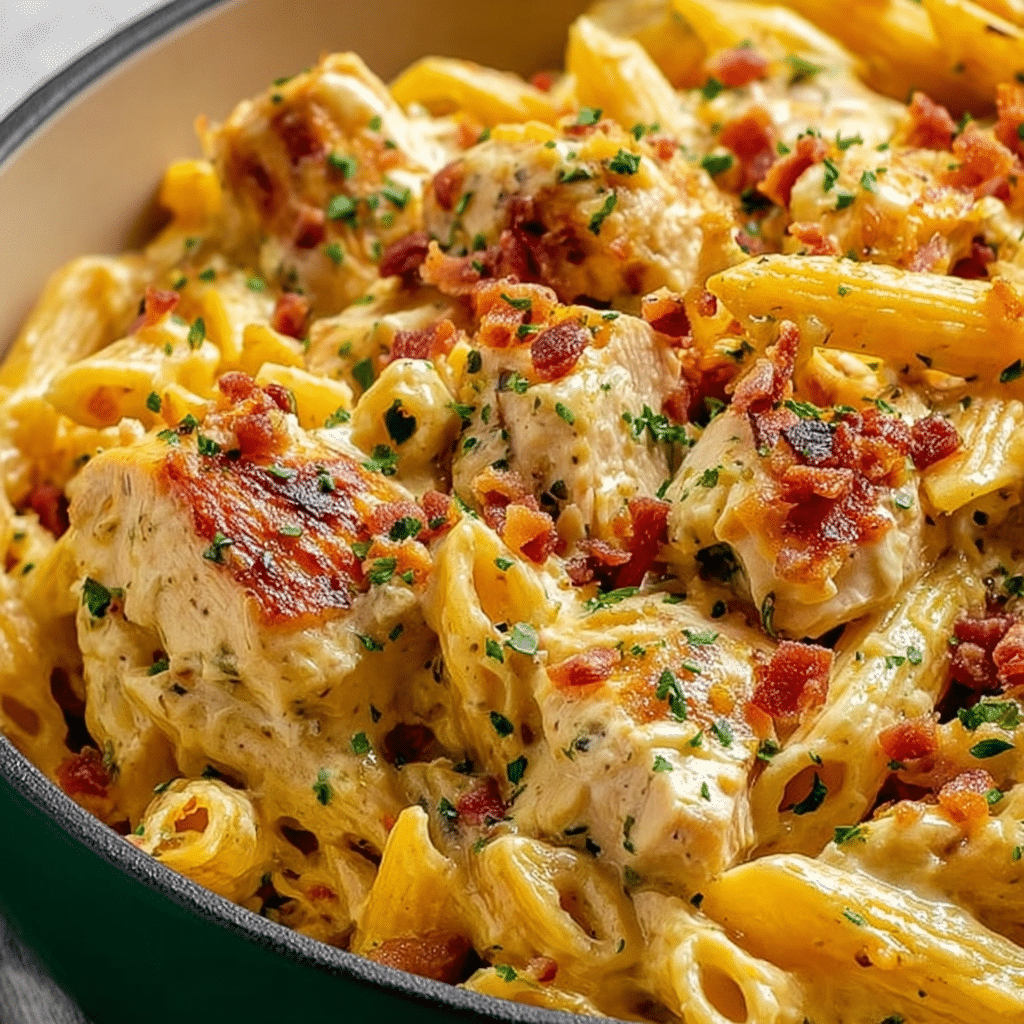
In the modern culinary lexicon, few terms signify addictive, high-impact flavor quite like “crack chicken.” This specific profile—a trifecta of smoky beef, zesty ranch seasoning, and a velvety cream cheese base—has transitioned from a popular slow-cooker staple to a sophisticated, one-pot pasta technique. Creamy Crack Chicken Pasta is more than just a meal; it is a strategic exercise in flavor layering and starch utilization. By cooking the pasta directly in seasoned chicken broth rather than separate water, we harness the power of “liquid gold” to create a sauce that is naturally thickened and deeply infused with protein-rich aromatics.
This guide provides a professional deep dive into the preparation of this “must-try” delight. We will explore the science of the one-pot method, the importance of rendering animal fats for flavor development, and the nuances of emulsifying high-fat cheeses into a cohesive, restaurant-quality sauce. Whether you are navigating a busy weeknight or looking for a crowd-pleasing weekend indulgence, this recipe stands as a testament to the efficiency of modern comfort food.
The Architecture of Flavor: An Introduction
To understand the success of Creamy Crack Chicken Pasta, one must look at the synergy of its components. The dish begins with the rendering of beef fat, a process that provides a high-smoke-point cooking medium infused with wood-smoked notes. This fat is then used to sear the chicken breast, initiating the Maillard reaction—the browning of sugars and amino acids that creates savory complexity.
The defining characteristic of “crack” style dishes is the ranch seasoning. A complex blend of buttermilk powder, dried chives, dill, onion powder, and garlic powder, it provides a high-acid, herbal contrast to the heavy dairy components. When this seasoning is toasted alongside the chicken, its volatile oils are released, ensuring the flavor penetrates the meat rather than just sitting on the surface.
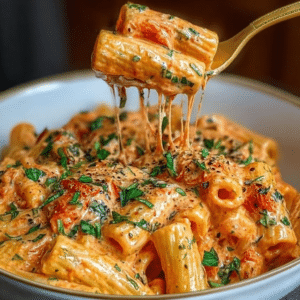
Finally, the one-pot pasta technique is the functional heart of the recipe. Unlike traditional methods where pasta water is discarded, here the 8 oz of penne absorbs the 3.5 cups of chicken broth directly. As the pasta softens, it releases starches into the liquid. This starchy broth becomes the structural foundation for the cream cheese and cheddar, resulting in a glossy, stable sauce that clings to every ridge of the penne.
Essential Components: The Ingredients
Precision in measurement is vital for one-pot pasta to ensure the liquid-to-starch ratio is perfect. Below are the ingredients required for four generous servings.
- 6 slices Beef: Use thick-cut beef for better texture. When cut into bite-sized pieces and rendered, it provides both the cooking fat and a salty, crunchy garnish.
- 1 lb Chicken Breast: Cut into uniform, bite-sized chunks. This ensures even cooking and allows the chicken to be distributed perfectly in every forkful of pasta.
- 1.25 oz Ranch Seasoning: One standard packet (such as Hidden Valley). This acts as the primary flavor profile, offering tanginess and herbal depth.
- 8 oz Penne Pasta: The ridges and hollow center of penne make it the ideal “vessel” for a thick, cheesy sauce.
- 3.5 cups Chicken Broth: Using broth instead of water adds a layer of savory “umami” and ensures the pasta is seasoned from the inside out.
- 4 oz Cream Cheese: Provides the “velvet” texture and a mild lactic tang that balances the sharp cheddar.
- 2 cups Shredded Cheddar Cheese: For the best melt, grate your cheese fresh from a block. Pre-shredded varieties contain potato starch that can make a one-pot sauce feel grainy.
- 1/2 tsp Garlic Powder: Supplements the garlic in the ranch seasoning for a more robust, aromatic finish.
- 1 tbsp Fresh Parsley: Chopped finely. The “green” brightness of fresh herbs is essential to cut through the richness of the beef and cream.
- Salt and Pepper: To be used sparingly, as the beef, ranch seasoning, and broth already contribute significant sodium.
The Professional Method: Step-by-Step Preparation
Execution is everything in a one-pot dish. Follow these steps to ensure the pasta is al dente and the sauce is perfectly emulsified.
1. Rendering the Fat and Preparing the Base
Begin by cutting the 6 slices of beef into bite-sized pieces. Place them in a large pot or Dutch oven over medium-high heat. Cook for 8–10 minutes, stirring occasionally, until the beef is crispy and the fat has rendered out.
Using a slotted spoon, remove the beef and set it aside on a paper towel. Crucial Step: Drain the excess fat, but leave exactly 1 tablespoon of beef fat in the pot. This liquid gold is the flavor foundation for the chicken. While the beef is rendering, ensure your chicken is cut and your liquids are measured; one-pot cooking moves quickly once the broth is added.
2. Searing the Protein and “Blooming” Spices
Return the pot to medium-high heat and add the 1 lb of chicken chunks. Sauté for 3–4 minutes. The goal here is not to cook the chicken through, but to develop a golden-brown exterior.
Stir in the 1.25 oz ranch seasoning and 1/2 tsp garlic powder. By stirring the spices directly into the hot fat and meat for 30 seconds before adding liquid, you “bloom” the spices, intensifying their aromatic properties and ensuring the flavor is locked into the chicken.
3. The One-Pot Simmer
Add the 8 oz of penne and the 3.5 cups of chicken broth to the pot. Stir vigorously to ensure the pasta isn’t clumped together. Bring the mixture to a rolling boil over medium-high heat (about 2–3 minutes).
Once boiling, reduce the heat to medium and cover with a tight-fitting lid. Simmer for 15–20 minutes.
Pro Tip: Every 4–5 minutes, remove the lid and give the pasta a thorough stir. This prevents the starches from sticking to the bottom of the pot and ensures that the penne on the top layer gets rotated into the simmering broth. By the end of this stage, the liquid should be mostly absorbed, leaving a thick, starchy “slurry” at the bottom.
4. Emulsifying the Creamy Sauce
Remove the pot from the heat entirely. The residual heat is sufficient to melt the cheeses without breaking the sauce. Stir in the 4 oz of cream cheese (cut into cubes for faster melting) until the sauce is white and smooth.
Add the cooked beef back into the pot along with 1.5 cups of the shredded cheddar cheese. Stir constantly in a circular motion. This creates a mechanical emulsion where the fats from the cheese bind with the starchy pasta broth, resulting in a cohesive, luxurious coating.
5. The Perfect Finish
Top the pasta with the remaining 0.5 cups of cheddar cheese. You have two professional options for the finish:
- The Stovetop Method: Cover the pot for 30 seconds on the lowest heat setting. This is best for a quick, “gooey” result.
- The Broiler Method (Recommended): Transfer the pot to a preheated broiler for 4–5 minutes. This creates “textural contrast”—the top layer of cheese becomes bubbly and develops crispy, golden edges while the interior remains molten.
Garnish with the 1 tbsp of freshly chopped parsley and serve immediately.
Culinary Science: Why This Recipe Works
The Starch Concentration
In a standard pasta preparation, the “pasta water” is mostly discarded. In this one-pot method, the water-to-pasta ratio is calculated so that the water is absorbed exactly as the pasta reaches al dente. This leaves behind a concentrated starch base. When you add the fats (cream cheese and cheddar), these starches act as stabilizers, preventing the fat from separating and ensuring the sauce stays creamy even as it cools.
Acid and Salt Balance
This dish is incredibly rich, with a high calorie count of 2300 kcal per 4-serving batch. To prevent the palate from becoming overwhelmed by the fat, the ranch seasoning provides lactic acid (from buttermilk powder). This acidity is what makes the dish “addictive” or “crack-like”—it triggers a salivation response that makes you want another bite.
Heat Carryover
By removing the pot from the heat before adding the cheddar, you prevent the cheese from reaching its “stringy” or “oily” point. Most cheeses break at temperatures above 160°F. The residual heat of the pasta is usually around 150°F, which is the perfect temperature for a smooth melt.
Nutritional Perspectives
While Creamy Crack Chicken Pasta is a high-energy “comfort” dish, it provides a robust profile of:
- Complete Proteins: From the chicken, beef, and dairy.
- Complex Carbohydrates: From the penne, providing sustained energy.
- Calcium: Significant amounts from the two cups of cheddar and cream cheese.
To balance the meal, many chefs recommend serving this alongside a high-acid side dish, such as a lemon-dressed arugula salad or roasted balsamic Brussels sprouts, to provide a textural and flavor foil to the creamy pasta.
Conclusion
The Creamy Crack Chicken Pasta is a masterclass in the “One-Pot” philosophy. It demonstrates that with the right order of operations—rendering fat, blooming spices, and utilizing starchy broth—you can create a complex, multi-layered meal in a single vessel. It is a dish that rewards the “low and slow” simmer and the “off-heat” cheese integration, resulting in a gold-standard comfort food experience.
Frequently Asked Questions (FAQ)
Q: Can I use a different type of pasta? A: Yes. While penne is ideal for “trapping” the sauce, other short, sturdy shapes like rotini (spirals) or shells work beautifully. Avoid long, thin pastas like spaghetti for this one-pot method, as they tend to clump together and don’t absorb the thick sauce as evenly.
Q: My sauce turned out too thick. How do I fix it? A: Because the pasta continues to absorb liquid as it sits, the sauce can thicken quickly. Simply stir in a splash of warm chicken broth or milk, one tablespoon at a time, until you reach your desired consistency.
Q: Is there a substitute for ranch seasoning? A: If you don’t have a packet, you can make a “shortcut” version by mixing 1 tsp dried dill, 1 tsp onion powder, 1 tsp dried chives, and 1/2 tsp salt. However, the buttermilk powder in the commercial mix is what provides the signature “crack” tang.
Q: Can I use frozen chicken? A: It is highly recommended to thaw the chicken completely before cooking. Frozen chicken releases a significant amount of water as it thaws in the pan, which will prevent the beef fat from searing the meat and may throw off the liquid-to-pasta ratio.
Q: Why do I need to remove the beef fat? A: Beef renders a large amount of grease. If you leave all of it in the pot, the final sauce will be extremely oily and may “break” (separate). Leaving just 1 tablespoon provides the perfect amount of flavor without the greasiness.
Q: How do I store and reheat leftovers? A: Store in an airtight container for up to 3 days. To reheat, add a splash of milk or water before microwaving or heating on the stovetop. This moisture is necessary because the pasta will have absorbed all the sauce’s liquid while in the fridge.
Q: Can I make this gluten-free? A: Yes, you can substitute the penne with your favorite gluten-free pasta. Be aware that gluten-free pastas often release more or less starch than wheat pasta, so you may need to adjust the broth amount by 1/4 cup.
Q: What kind of cheddar is best? A: A “Sharp” or “Extra Sharp” cheddar provides the best flavor contrast to the mild cream cheese. Avoid “Mild” cheddar, as its flavor can get lost in the ranch and beef notes.
Q: Can I add vegetables to this? A: Absolutely. Adding 2 cups of fresh baby spinach at the very end (when you add the cheeses) is a great way to add color and nutrients. Sautéed mushrooms or steamed broccoli also pair exceptionally well with the ranch and beef flavors.
Q: Is the broiler step necessary? A: It is optional but highly recommended. The broiler provides “caramelization” on the top layer of cheese, adding a smoky, crispy texture that complements the soft pasta and creamy sauce perfectly.
Q: Can I use low-fat cream cheese? A: You can, but the sauce will be less stable and slightly less creamy. If using low-fat (Neufchâtel) cheese, ensure it is at room temperature before stirring it in to prevent clumping.
Q: Why does the recipe say “mostly cooked through” for the chicken in Step 2? A: If you cook the chicken 100% in the first step, it will become tough and overcooked after simmering in the broth for 20 minutes with the pasta. Searing it briefly locks in fla
Print
The Definitive Guide to Creamy Crack Chicken Pasta: A Masterclass in Savory Comfort
- Total Time: 35 minutes
- Yield: 4 servings
Description
This Creamy Crack Chicken Pasta is a rich, addictive one-pot meal featuring crispy bacon, tender chicken, and ranch-seasoned cheesy goodness.
Ingredients
- 6 slices beef
- 1 lb chicken breast, cut into bite-sized chunks
- 1.25 oz ranch seasoning mix
- 8 oz penne pasta
- 3.5 cups chicken broth
- 4 oz cream cheese
- 2 cups shredded cheddar cheese
- 1 tbsp fresh parsley, chopped
- 1/2 tsp garlic powder
Instructions
- Cook Bacon: Cut beef into bite-sized pieces and cook in a large pot over medium-high heat until crispy (8-10 mins). Remove with a slotted spoon, leaving 1 tbsp of fat in the pot.
- Sear Chicken: Return pot to heat and add chicken chunks. Cook 3-4 mins until mostly cooked. Stir in ranch seasoning and garlic powder to coat evenly.
- Simmer Pasta: Add penne and chicken broth. Bring to a boil, then reduce heat to medium. Cover and simmer for 15-20 mins, stirring occasionally, until pasta is tender and liquid is mostly absorbed.
- Make it Creamy: Remove from heat. Stir in cream cheese until melted. Add the cooked bacon and 1.5 cups of cheddar cheese, stirring until the sauce is smooth and cohesive.
- Final Melt: Top with the remaining 0.5 cups of cheese. Either cover for 30 seconds on low heat to melt, or broil for 4-5 mins until bubbly and golden. Garnish with parsley.
Notes
- One-pot method: The pasta cooks directly in the broth, which creates a starchier, creamier sauce.
- If the sauce is too thick, add a splash of milk or extra broth at the end.
- Prep Time: 10 minutes
- Cook Time: 25 minutes
- Category: Main Course
- Method: One-Pot
- Cuisine: American