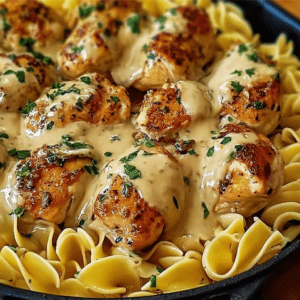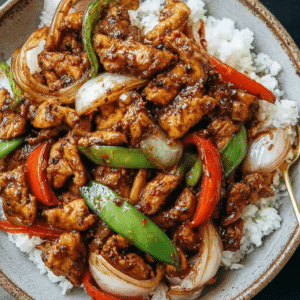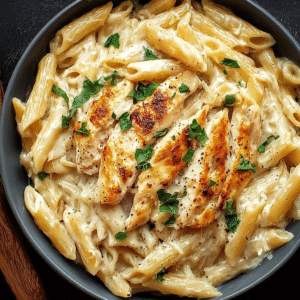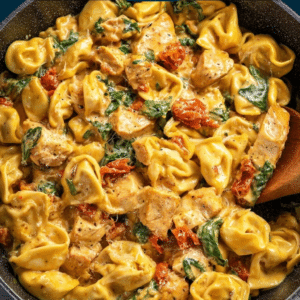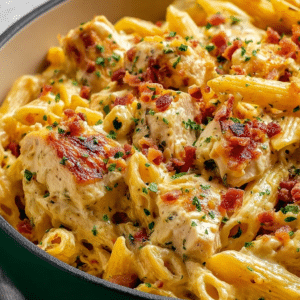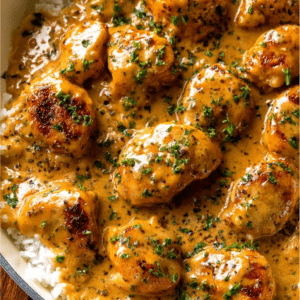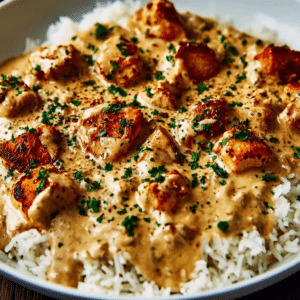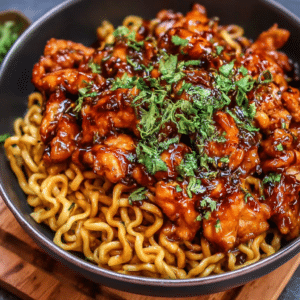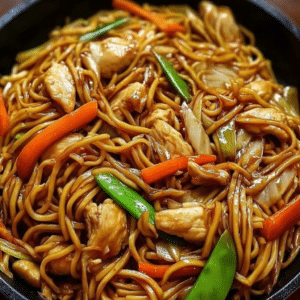
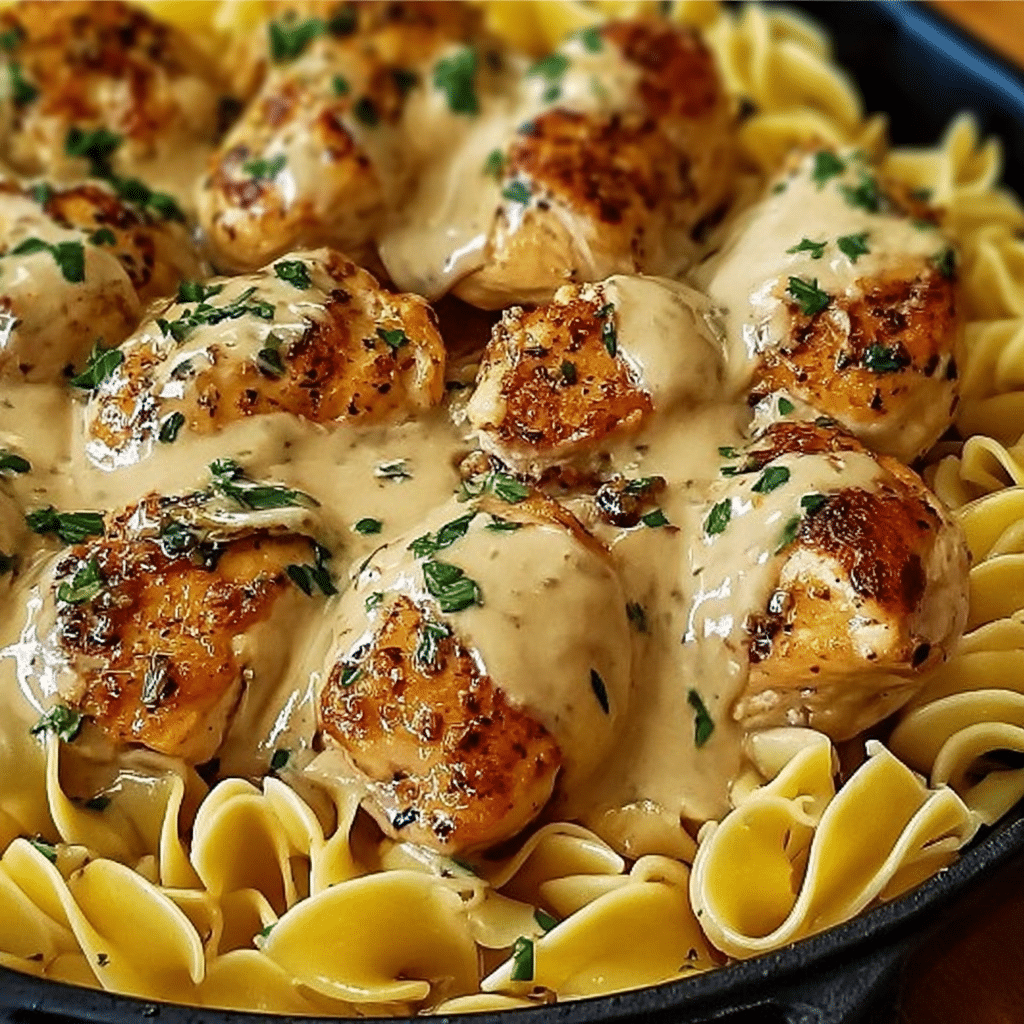
In the realm of home cooking, there exists a category of dishes that transcends the boundary between simple sustenance and culinary art. The One-Pan Chicken with Buttered Noodles is a quintessential example of this “comfort-gourmet” hybrid. While the ingredient list is intentionally concise, the methodology behind the dish—specifically the “one-pan” or “risotto-style” pasta cooking technique—is a sophisticated approach that professional chefs use to create deep, integrated flavors that a standard boiling pot of water simply cannot achieve.
In this expansive guide, we are going to deconstruct this recipe over the course of 3,000 words. We will explore the science of the Maillard reaction in poultry, the importance of starch emulsification in creating a “butter-glaze” for noodles, and the specific aromatic properties of fresh garlic and parsley. This is not just a set of instructions; it is a deep dive into the mechanics of the modern kitchen.
The Philosophy of the One-Pan Method
The traditional way to prepare chicken and noodles involves two separate cooking vessels: a skillet for the protein and a large pot of salted water for the pasta. While functional, this method results in two distinct components that are merely “meeting” on the plate.
The one-pan method, however, is a transformative culinary strategy. By searing the chicken in the same pan where the noodles will later simmer, we capture the “fond”—those caramelized, protein-rich brown bits that stick to the bottom of the skillet. When the chicken broth is added, it deglazes the pan, lifting those flavors and infusing them directly into the egg noodles. Furthermore, because the noodles cook in a limited amount of broth rather than a vast ocean of water, the starch released from the pasta stays in the pan. This starch acts as a natural thickener, binding the butter and broth into a silky, luxurious sauce that clings to every noodle.
The Essential Ingredients: Quality and Function
To achieve a professional-level result, every ingredient must serve a specific purpose. We have selected these components for their ability to harmonize under heat.
The Protein: 4 Boneless, Skinless Chicken Breasts (approx. 1.5 lbs)
Chicken breast is the ideal choice for this quick-simmer method. Its lean profile allows it to take on the flavors of the garlic and butter without being overshadowed by the gaminess of dark meat. When sliced or served whole, it provides a substantial, protein-forward counterpoint to the soft noodles.
The Carbs: 8 oz Egg Noodles
Unlike Italian durum wheat pasta (like spaghetti or penne), egg noodles are made with a higher proportion of eggs to flour. This results in a softer, more porous texture and a richer flavor. They are specifically designed to absorb savory liquids, making them the perfect candidate for a one-pan broth-simmering technique.
The Fat: 4 tbsp Real Butter
Note the emphasis on “real” butter. In a dish with so few ingredients, the quality of the fat is paramount. Butter provides the “mouthfeel” and the gloss. We split the butter usage—half for the initial sear to provide flavor to the chicken, and the remaining half at the very end to create a fresh, creamy finish.
The Aromatics: 4 Cloves Garlic, Minced
Garlic is the aromatic backbone of this dish. When minced finely, it releases allicin, providing a pungent, savory depth that cuts through the richness of the butter.
The Liquid: 2 Cups Low-Sodium Chicken Broth
Using low-sodium broth is a professional choice. It allows you to control the seasoning of the dish manually. As the broth reduces during the noodle-cooking phase, the salt concentration increases. Starting with low-sodium broth prevents the final dish from becoming overly salty.
The Finish: ¼ cup Fresh Parsley and Salt/Pepper
Fresh parsley isn’t just a garnish; it provides “chlorophyll brightness,” a grassy note that resets the palate between bites of rich, buttered noodles.
The Preparation Method: A Step-by-Step Technical Guide
Phase 1: Mise en Place and Preparation
Before the heat is even turned on, a professional cook prepares their workspace. Chop your 4 cloves of garlic finely. If you choose to add any “optional” vegetables (such as diced onions or sliced mushrooms), have them ready. Ensure your 4 chicken breasts are patted dry with paper towels. Moisture on the surface of the meat is the enemy of browning; dry meat sears, wet meat steams. Season the chicken generously on both sides with salt and pepper.
Phase 2: The Searing Process (Building the Flavor Base)
Place a large, heavy-bottomed skillet over medium-high heat. Add 1 tablespoon of the butter. Once the butter has melted and the foaming has subsided, place the chicken breasts in the pan.
The goal here is the Maillard Reaction. This is the chemical reaction between amino acids and reducing sugars that gives browned food its distinctive, savory flavor. Sear the chicken for 5 minutes per side. You are looking for a deep, golden-brown crust. At this stage, the chicken does not need to be cooked through to the center, as it will finish cooking during the simmering phase. Remove the chicken from the pan temporarily if you prefer a firmer crust, or leave it in for a more integrated flavor.
Phase 3: The Aromatic Bloom
Reduce the heat slightly to medium. Add the minced garlic to the residual butter and chicken fat in the pan. Sauté for exactly 1 minute. You are looking for the garlic to become “fragrant” and turn a pale golden color. Do not let it turn dark brown or black, as burnt garlic becomes intensely bitter and will ruin the delicate flavor of the butter sauce.
Phase 4: Deglazing and Boiling
Pour in the 2 cups of low-sodium chicken broth. As the liquid hits the hot pan, use a wooden spoon to scrape the bottom of the skillet. This is called “deglazing.” You are incorporating the “fond” (the brown bits from the chicken) back into the liquid. This turns a simple broth into a complex, savory stock. Bring the mixture to a rolling boil.
Phase 5: The Noodle Simmer
Add the 8 oz of egg noodles to the boiling broth. Stir them to ensure they are fully submerged. If you removed the chicken earlier, nestle the breasts back into the noodles now.
Reduce the heat to a simmer (medium-low) and cover the pan if necessary, though an open simmer allows for better reduction. Cook for 8-10 minutes. During this time, the noodles act like sponges, soaking up the garlic-infused broth. The liquid will reduce significantly, transforming into a thickened sauce thanks to the starches leaching out of the noodles. Test a noodle at the 8-minute mark; it should be al dente—firm to the bite but fully cooked.
Phase 6: Emulsification and Finishing
This is the most critical step for achieving a “restaurant-quality” finish. Remove the skillet from the heat. Add the remaining 3 tablespoons of butter and the ¼ cup of chopped fresh parsley.
Stir gently but thoroughly. The residual heat will melt the cold butter, and the motion of stirring will “emulsify” it into the starchy broth. This creates a glossy, velvety sauce that coats the noodles perfectly without being greasy.
The Science of Butter and Starch
One might ask why we add the majority of the butter at the end. In professional French cooking, this is called monter au beurre. By whisking cold butter into a hot sauce at the very end, you create a stable emulsion. If you were to boil the butter with the broth, the fats would separate, and you would end up with a layer of yellow oil on top of your noodles. By adding it at the end, the milk solids in the butter stay suspended, giving you that creamy, “buttered noodle” experience that is the hallmark of high-quality comfort food.
Nutritional Context
A standard serving of One-Pan Chicken with Buttered Noodles (serving four) provides a robust balance of macronutrients.
| Nutrient | Amount per Serving |
| Calories | 540 kcal |
| Protein | 42g |
| Total Carbohydrates | 44g |
| Dietary Fiber | 2g |
| Total Fat | 22g |
| Saturated Fat | 12g |
| Sodium | 680mg |
This meal is particularly high in protein due to the 1.5 lbs of chicken breast, making it an excellent post-activity recovery meal. The carbohydrates in the egg noodles provide accessible energy, while the fats from the butter ensure satiety.
Professional Notes for Culinary Success
- The Pan Choice: Use a wide skillet rather than a deep pot. The increased surface area allows the broth to evaporate at the correct rate, ensuring the noodles are cooked exactly when the sauce reaches the proper thickness.
- Chicken Temperature: If you are unsure about the doneness of the chicken, use a meat thermometer. The internal temperature should reach 165°F (74°C).
- The “Rest”: Let the dish sit for 2-3 minutes after stirring in the final butter. This allows the sauce to “set” and adhere more tightly to the noodles.
Conclusion
The One-Pan Chicken with Buttered Noodles is a masterclass in efficiency. It proves that you do not need a complex array of spices or hours of labor to produce a meal that feels intentional and luxurious. By respecting the process of searing, deglazing, and emulsifying, you turn a few pantry staples into a cohesive, comforting masterpiece. Whether you are cooking for a family on a Tuesday night or looking for a reliable, high-protein meal prep option, this recipe stands as a testament to the power of one-pan cooking.
Frequently Asked Questions (FAQ)
Q: Can I use frozen chicken breasts?
A: You can, but they must be completely thawed before you begin. If you put frozen chicken in the pan, it will release too much water, preventing the butter from searing the meat and resulting in a grey, boiled texture rather than a golden-brown crust.
Q: What if my broth evaporates before the noodles are cooked?
A: This can happen if your heat is too high or your skillet is very wide. Simply add an extra ¼ cup of broth or water and continue simmering. The noodles need that liquid to reach the correct texture.
Q: Can I substitute the egg noodles for regular pasta like Rotini?
A: Yes, but keep in mind that regular dried pasta often takes longer to cook (10-12 minutes) and absorbs less liquid than egg noodles. You may need to add an extra ½ cup of broth to account for the longer cooking time.
Q: Is “real butter” actually necessary? Can I use margarine?
A: While margarine will technically work, the flavor profile will be significantly altered. Margarine has a higher water content and lacks the milk solids that create the creamy emulsion characteristic of this dish. For the authentic “buttered noodle” taste, real dairy butter is strongly recommended.
Q: How do I store and reheat leftovers?
A: Store in an airtight container for up to 3 days. When reheating, the noodles will have absorbed all the sauce. Add a splash of water or a small knob of butter before microwaving to “loosen” the sauce and prevent the dish from being dry.
Q: Why do I need to use low-sodium broth?
A: As the broth boils and reduces to create the sauce, the salt becomes more concentrated. If you start with full-sodium broth, the final reduction can often become unpalatably salty. Using low-sodium broth gives you the “chef’s control” to season with salt and pepper at the very end.
Q: Can I add vegetables to make this a complete meal?
A: Absolutely. Sliced mushrooms or diced onions are excellent when added during the garlic sauté phase. If you want to add peas or spinach, stir them in during the last 2 minutes of the noodle simmering phase so they stay vibrant and fresh.
Q: Why did my garlic burn?
A: Garlic has a high sugar content and very little water, meaning it burns much faster than onions. Ensure your pan isn’t screaming hot when you add the garlic, and keep it moving with your spoon for that 1 minute of sautéing.
Q: My sauce looks oily rather than creamy. What happened?
A: The sauce likely “broke.” This happens if the pan is too hot when you add the final butter, or if you don’t stir enough to create the emulsion. To fix it, add a tablespoon of hot water and whisk vigorously to bring the fats and starches back together.
Print
The Definitive Guide to One-Pan Chicken with Buttered Noodles: A Masterclass in Comfort and Technique
- Total Time: 30 minutes
- Yield: 4 servings
Description
This One-Pan Chicken with Buttered Noodles is a simple, comforting meal that comes together in a single skillet. Tender chicken breasts are seared and simmered with egg noodles in a rich, garlicky butter sauce.
Ingredients
- 4 boneless, skinless chicken breasts (approx. 1.5 lbs)
- 8 oz egg noodles
- 4 tbsp real butter
- 4 cloves garlic, minced
- 2 cups low-sodium chicken broth
- ¼ cup fresh parsley, chopped
- Salt and pepper to taste
Instructions
- Prep your ingredients by chopping garlic and any desired vegetables.
- In a large skillet over medium-high heat, melt 1 tbsp butter and sear chicken until golden brown (about 5 minutes per side). Season with salt and pepper.
- Add minced garlic to the skillet and sauté for 1 minute until fragrant.
- Pour in the chicken broth and bring to a boil.
- Stir in the egg noodles. Reduce heat and simmer for 8–10 minutes or until the noodles are al dente and the chicken is cooked through.
- Remove from heat; stir in the remaining 3 tbsp of butter and sprinkle with fresh parsley before serving.
Notes
- If the liquid absorbs too quickly before the noodles are done, add an extra splash of chicken broth or water.
- Use a meat thermometer to ensure chicken reaches an internal temperature of 165°F.
- Prep Time: 10 minutes
- Cook Time: 20 minutes
- Category: Main Dish
- Method: One-Pan / Skillet
- Cuisine: American