Japanese cuisine has long captivated the global palate, but perhaps no dish has achieved the same level of universal adoration as Chicken Teriyaki. It is the perfect marriage of savory, sweet, and umami—a dish that feels sophisticated enough for a restaurant setting yet remains fundamentally rooted in home-style simplicity. In this comprehensive guide, we are going to explore every facet of creating a professional-grade Chicken Teriyaki using a traditional three-ingredient base for the sauce, augmented with aromatics to suit your personal preference. Whether you are a novice cook or an experienced home chef, understanding the nuances of the Maillard reaction, the importance of marinade ratios, and the science of the glaze will elevate this recipe from a standard weeknight meal to a culinary masterpiece.
Understanding the Roots of Teriyaki
The word “teriyaki” is actually a combination of two Japanese words: “teri,” which refers to the shine or luster of the glaze, and “yaki,” which refers to the method of cooking, typically grilling or broiling. In its traditional form, the sauce is a simple reduction of soy sauce, mirin, and sugar. This simplicity is what allows the quality of the chicken to shine. While many store-bought bottles are loaded with cornstarch, thickeners, and high-fructose corn syrup, making your own at home allows you to achieve that signature “teri” through the natural reduction of sugars and proteins.
This recipe focuses on the balance of these elements. By using low-sodium soy sauce, we control the saltiness, allowing the fermented depth of the mirin and the sweetness of the sugar to create a complex profile. The addition of sesame seeds provides a structural contrast, adding a nutty crunch to the tender, glazed meat.
The Essential Ingredients for Success
To create this dish, you will need a selection of high-quality ingredients that work in harmony. The beauty of this recipe lies in its brevity, but because there are so few components, each one must be handled with care.
The Protein
- ¾ lb chicken thigh (or chicken breast): Chicken thighs are the gold standard for teriyaki. The higher fat content in dark meat ensures that the chicken remains succulent and juicy even under the high heat required to caramelize the glaze. If you prefer chicken breast, it is vital to monitor the internal temperature closely to prevent it from drying out.
The Marinade and Sauce Base
- ⅓ cup low-sodium soy sauce: This provides the salty, savory backbone. Using low-sodium allows you to reduce the sauce into a thick glaze without it becoming overbearingly salty.
- ⅓ cup mirin: This Japanese sweet rice wine is crucial for the authentic “shine.” If you cannot find mirin, you can substitute with sake or white wine, though you may need to adjust the sugar slightly.
- ⅓ cup sugar: This is the primary thickening agent and sweetener. It balances the soy sauce and allows for the caramelization process.
- 1 teaspoon minced garlic or ginger (optional): While not strictly traditional in the most minimalist versions of the sauce, these aromatics add a layer of warmth and complexity that many find irresistible.
Finishing and Cooking
- 1 Tablespoon vegetable oil: A neutral oil with a high smoke point is necessary for searing the chicken without adding competing flavors.
- 1 Tablespoon toasted white sesame seeds: These are more than just a garnish; they provide a textural “pop” and a visual finish that signals a professional result.
Step-by-Step Preparation Method
Mastering Chicken Teriyaki requires more than just mixing ingredients; it requires an understanding of heat management and timing. Follow these detailed steps to ensure a perfect glaze and tender meat every time.
Preparing the Chicken for Even Cooking
Before the chicken ever touches the marinade, it requires physical preparation. Uniform thickness is the secret to a professional result. When one side of a chicken breast or thigh is thicker than the other, the thin side overcooks and turns rubbery by the time the thick side is safe to eat.
Place your chicken pieces on a cutting board, cover them with plastic wrap, and use a meat mallet or the bottom of a heavy pan to gently flatten them until they are approximately ¾ inch thick. This ensures that the heat penetrates the meat evenly. Once flattened, place the chicken in a large glass bowl or a heavy-duty zipper bag.
Crafting the Marinade and the Double-Usage Strategy
In a medium mixing bowl, combine the low-sodium soy sauce, mirin, and sugar. If you are using the optional garlic or ginger, whisk them in now. The key here is to stir until the sugar is completely dissolved. If the sugar remains granular at the bottom of the bowl, it won’t properly coat the chicken or reduce evenly in the pan later.
Now, follow the professional “reserve” method: pour exactly half of this mixture over the chicken. Seal the bag or cover the bowl and let it marinate in the refrigerator for at least 15 minutes. For the deepest flavor, allow it to sit overnight. The other half of the mixture must be kept separate and clean. This reserved portion will become your final glaze, ensuring that you are not basting your cooked meat with a liquid that has touched raw poultry.
The Searing Process: Achieving the Perfect Crust
Heat your grill or a heavy-bottomed skillet (cast iron is excellent for this) over medium-high heat. Add the vegetable oil and swirl to coat. Remove the chicken from the marinade and—this is a vital step—wipe off the excess liquid. If the chicken is dripping wet, it will steam in the pan rather than sear.
If you are using skin-on chicken, place it in the pan skin-side down first. The fat in the skin will render out, creating a natural crispness. Cook until the first side is a deep, golden brown. Flip the chicken and continue to cook until it is nearly done.
The Reduction: Creating the Glaze
During the final 3 minutes of cooking, pour your reserved (clean) teriyaki mixture into the pan. As the heat hits the liquid, it will begin to bubble and froth. This is the water evaporating, leaving behind the concentrated sugars and soy proteins.
Move the chicken around in the pan, flipping it frequently to ensure every surface is coated in the thickening liquid. The sauce will transform from a thin watery consistency into a thick, mahogany-colored glaze that clings to the meat. Use a meat thermometer to ensure the internal temperature has reached 165°F.
Alternative Method: The Baking Approach
If you prefer a more “hands-off” approach, preheat your oven to 400°F. Line a baking sheet with parchment paper or foil for easy cleanup. Place the marinated chicken on the tray and bake for approximately 20 minutes.
During the final 7 minutes of baking, begin brushing the reserved sauce onto the chicken. Repeat this every 2 minutes. The high heat of the oven will reduce the sauce into a glaze directly on the meat. Be vigilant; because of the high sugar content, the glaze can go from “perfectly caramelized” to “burnt” very quickly.
Serving and Presentation
A professional dish is defined by its presentation. Once the chicken has rested for a few minutes—allowing the juices to redistribute—slice it into uniform, bite-sized pieces. Resting the meat is essential; if you cut it immediately, the moisture will leak out onto the cutting board, and your glaze will become watery.
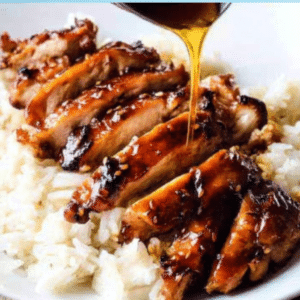
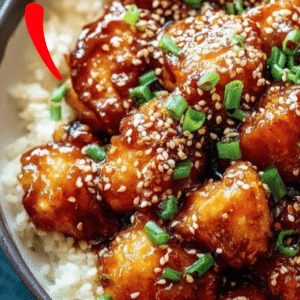
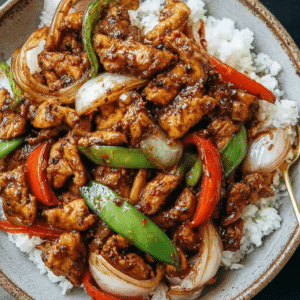
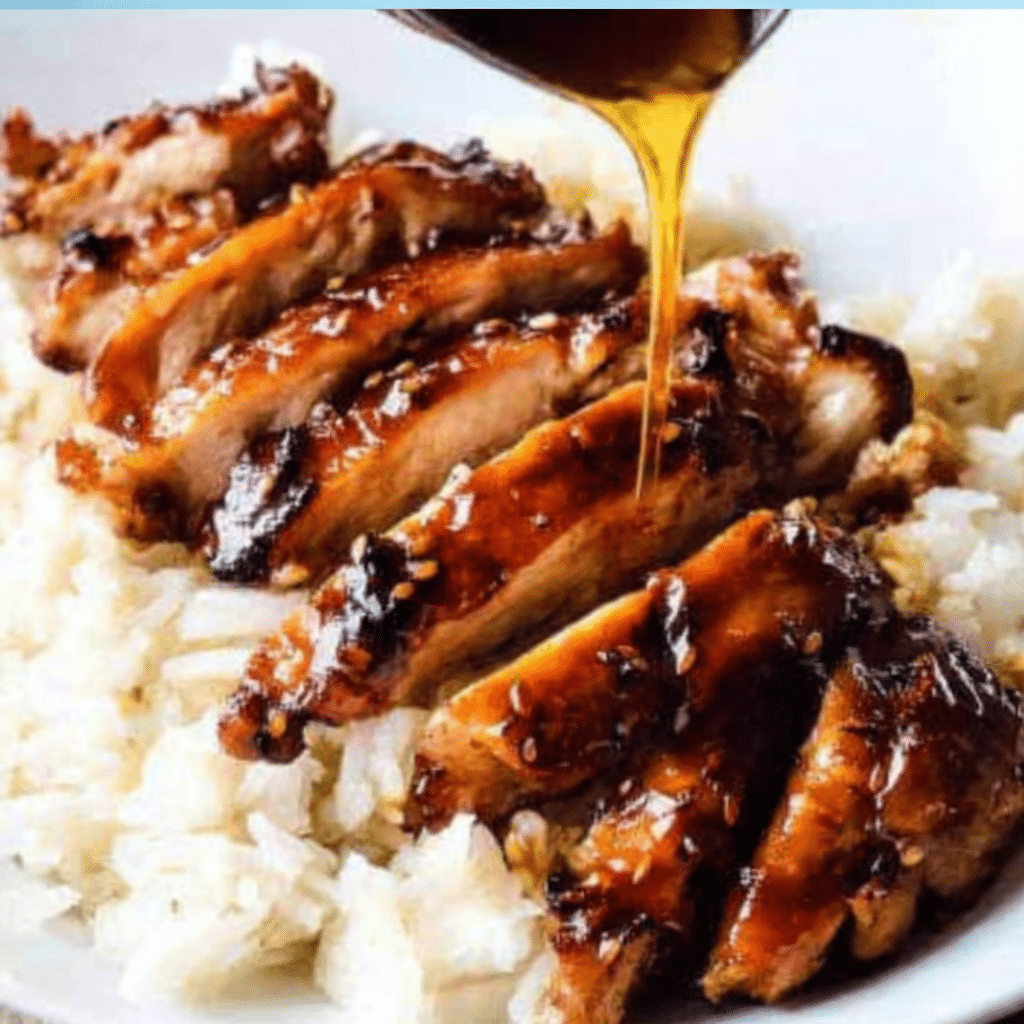
Arrange the slices over a bed of fluffy, steamed white rice (Jasmine or Calrose work best). Spoon any remaining glaze from the pan directly over the meat. Finally, sprinkle the toasted sesame seeds over the top. The contrast of the white seeds against the dark, glossy chicken creates an immediate visual appeal.
Mastering Substitutions and Customization
Cooking is an adaptable art, and this recipe is designed to be flexible. Depending on your dietary needs or what you have in your pantry, you can make several adjustments without sacrificing the soul of the dish.
Mirin Substitutions
Mirin is a sweet rice wine with a low alcohol content and high sugar content. If you do not have access to it, you can use dry sake or a dry white wine (like Sauvignon Blanc) and add an extra teaspoon of sugar to compensate for the lack of sweetness. For a non-alcoholic version, use a high-quality chicken stock or water mixed with a few drops of white vinegar or lemon juice to provide that necessary acidic brightness.
Sweetener Variations
While white sugar provides the most neutral sweetness and the glossiest finish, you can swap it for honey, agave nectar, or brown sugar. Honey will create a stickier, thicker glaze with a distinct floral note, while brown sugar will introduce a deep molasses undertone that pairs beautifully with the ginger and garlic.
Choosing Your Cut of Meat
While we have discussed thighs and breasts, you can also apply this method to chicken wings for an incredible appetizer or even thinly sliced beef or firm tofu. If using tofu, ensure you press the moisture out of the block for at least 30 minutes before marinating to allow the soy sauce to penetrate the protein.
Frequently Asked Questions About Chicken Teriyaki
Why is my teriyaki sauce too thin?
The thickness of the sauce comes from the reduction of sugar and the evaporation of water. If your sauce is too thin, it likely hasn’t simmered long enough. Continue to cook it over medium heat until the bubbles become larger and the liquid coats the back of a spoon. Avoid adding cornstarch if possible, as it can make the sauce look cloudy rather than glossy; however, a tiny slurry (1 tsp cornstarch to 1 tsp water) can be used as a last resort.
Can I make the sauce in bulk and store it?
Absolutely. You can double or triple the marinade ingredients and simmer them in a small saucepan until thickened. This homemade teriyaki sauce will stay fresh in an airtight jar in the refrigerator for up to two weeks. This makes weeknight dinners even faster, as you only need to sear the chicken and add the pre-made sauce at the end.
Is it safe to use the marinade as a sauce?
Only if you boil it. If you want to use the liquid that the raw chicken sat in, you must bring it to a full, rolling boil for at least several minutes to kill any bacteria. However, for the best flavor and safety, we highly recommend our “reserve” method: setting aside half of the fresh marinade before it ever touches the meat to use as your final glaze.
How do I prevent the chicken from burning?
The sugar in the marinade is prone to burning over very high heat. If you notice the sauce turning black or smelling acrid, immediately reduce the heat to medium-low and add a tablespoon of water or stock to the pan. This will lower the temperature and help you scrape up the caramelized bits without them scorching further.
Can I use this recipe for meal prep?
Chicken Teriyaki is an elite meal-prep option. The glaze helps keep the chicken moist even after reheating in a microwave. Store the chicken and rice in airtight containers for up to four days. To reheat, add a splash of water to the container before microwaving to create a bit of steam, which will help loosen the glaze and refresh the rice.
What should I serve as a side dish?
To balance the sweetness of the teriyaki, serve it with something bright or crunchy. Steamed broccoli, bok choy, or a simple cucumber salad with rice vinegar and sesame oil are traditional and effective pairings. The acidity of pickled vegetables also cuts through the richness of the soy-sugar glaze beautifully.
Can I use skin-on chicken?
Yes, and many professional chefs prefer it. When using skin-on thighs, start them in a cold pan and gradually raise the heat. This renders the fat slowly, resulting in an incredibly crispy skin that the teriyaki glaze will eventually coat. It provides a “crunch-and-sauce” combination that is hard to beat.
Does the ginger and garlic need to be fresh?
While jarred minced garlic or ginger paste will work in a pinch, fresh aromatics provide a much sharper, more vibrant flavor profile. If you use fresh ginger, try grating it directly into the sauce; the juice that comes off the grater is packed with flavor and helps tenderize the meat slightly.
Conclusion
Creating a professional Chicken Teriyaki at home is a rewarding endeavor that relies on the balance of just a few key ingredients. By understanding the importance of meat preparation, the chemistry of the sugar-based glaze, and the proper searing techniques, you can move away from store-bought alternatives forever. This recipe provides the foundation, but the true joy comes from making it your own—adjusting the sweetness, experimenting with aromatics, and perfecting your “teri” shine. Enjoy the process of crafting this Japanese-inspired classic, and savor the deep, umami-rich results of your culinary labor.
Print
The Ultimate Guide to Authentic Easy Chicken Teriyaki with Homemade Marinade
- Total Time: 25 minutes
- Yield: 2–3 servings
Description
This Easy Chicken Teriyaki is a simple, flavorful dish with a sweet and savory glaze made from a classic marinade, perfect served over rice for a quick homemade meal.
Ingredients
- Main Ingredients
- 3/4 lb chicken thighs or chicken breast
- 1 tablespoon vegetable oil
- 1 tablespoon toasted white sesame seeds
- Teriyaki Marinade & Sauce
- 1/3 cup low sodium soy sauce
- 1/3 cup mirin
- 1/3 cup sugar
- 1 teaspoon minced garlic or ginger (optional)
Instructions
- Flatten chicken to about 3/4-inch thickness for even cooking and place in a bowl or bag.
- Mix soy sauce, mirin, sugar, and garlic/ginger until sugar dissolves.
- Reserve half the marinade and marinate chicken in the rest for at least 15 minutes (or overnight).
- Heat oil in a pan or grill over medium-high heat.
- Remove chicken from marinade and cook until golden brown and fully cooked.
- During the last 3 minutes, add reserved marinade and let it reduce into a glaze.
- Ensure chicken reaches 165°F internal temperature.
- Slice chicken and serve over rice, topped with sesame seeds and extra glaze.
Notes
- Mirin can be replaced with sake or white wine, or water with a little vinegar.
- Sugar can be substituted with honey, agave, or brown sugar.
- Watch carefully when baking to prevent burning due to sugar content.
- Works with both chicken thighs and breasts.
- Prep Time: 10 minutes
- Cook Time: 15 minutes
- Category: Main Dish
- Method: Grill / Pan-Fry / Bake
- Cuisine: Japanese-Inspired