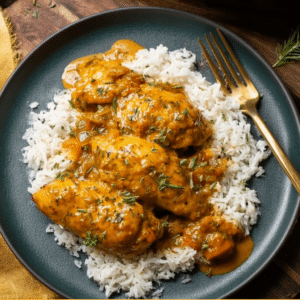
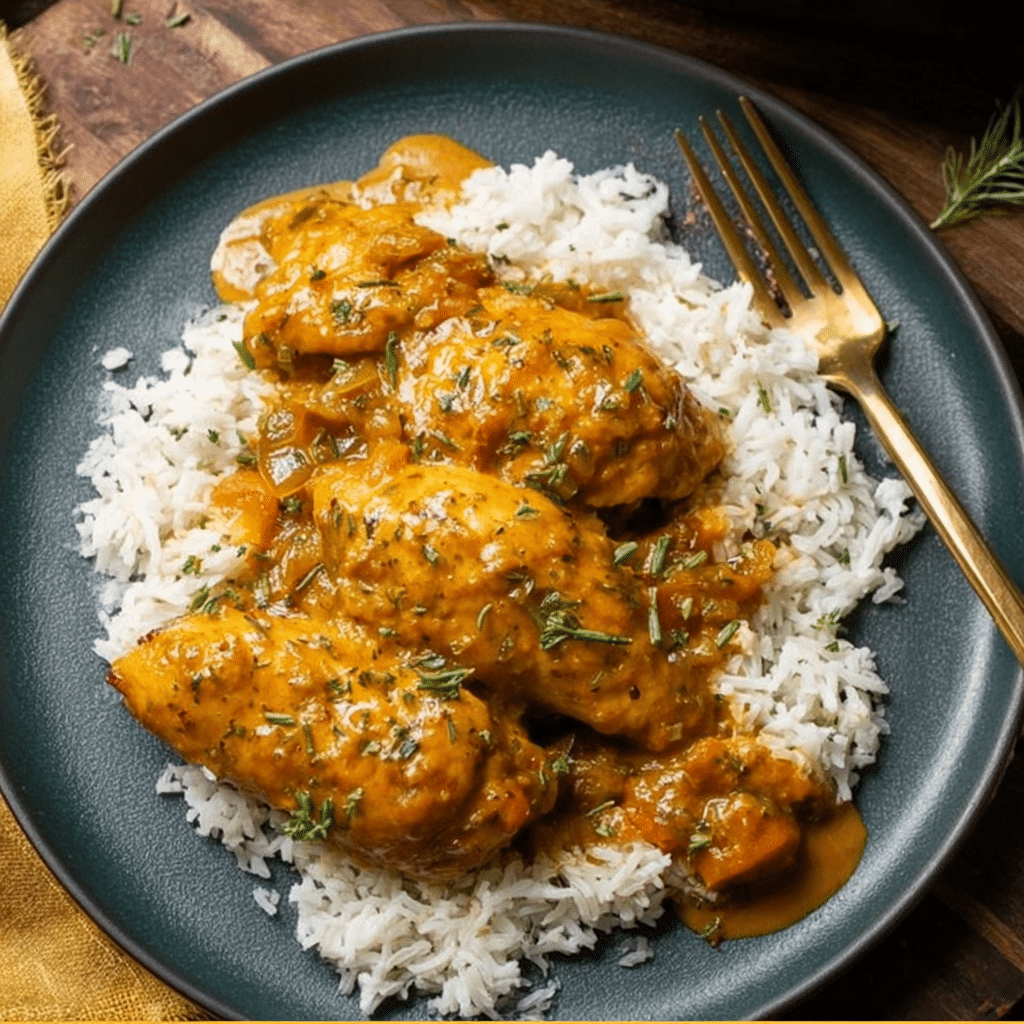
In the rich tapestry of Southern American soul food, Smothered Chicken holds a place of high honor. It is a dish that defines the concept of “low and slow” comfort, transforming humble cuts of poultry into a luxurious, gravy-laden masterpiece. Unlike traditional fried chicken, which relies on a crispy exterior, Smothered Chicken is all about the “smother”—a process where seared chicken is braised in a velvety, onion-rich gravy until the meat becomes exceptionally tender and infused with aromatic herbs.
A professional approach to this Southern classic requires a mastery of two key culinary stages: the long-form marinade and the creation of a rich, mahogany-toned roux. By using bone-in pieces like drumsticks and thighs, you ensure a deeper flavor and a succulent texture that stands up to the braising process. This 3,000-word guide will walk you through the technical nuances of seasoning, caramelizing aromatics, and achieving the perfect gravy consistency for a dish that is as soulful as it is sophisticated.
The Flavor Profile of a Southern Classic
The soul of Smothered Chicken lies in its seasoning. We utilize a specific blend of smoked paprika, garlic powder, and seasoned salt (specifically Lawry’s) to create a flavor profile that is savory, slightly sweet, and deeply aromatic.
The Importance of the Marinade
In professional cooking, time is an ingredient. By marinating the chicken for a minimum of three hours—or ideally overnight—you allow the salt and spices to penetrate the muscle fibers. This doesn’t just season the surface; it seasons the meat all the way to the bone. This process, combined with a short “tempering” period at room temperature before cooking, ensures that the chicken cooks evenly and retains its moisture during the high-heat searing phase.
The Role of Onion Caramelization
The gravy in this recipe isn’t just thickened stock; it is a sauce built on the foundation of caramelized onions. By sautéing the onions for 8 to 10 minutes until they are deeply golden brown, you are unlocking natural sugars through the Maillard reaction. These onions provide the “base notes” of the gravy, offering a sweetness that balances the salt and the richness of the heavy cream.
Essential Ingredients for Smothered Chicken
To produce a professional-grade Smothered Chicken, the quality of your fats and liquids is paramount. Using organic stock and heavy cream provides a cleaner, more robust mouthfeel.
For the Seasoned Chicken
- 3-4 lbs. Organic Chicken: Skin removed. Drumsticks and thighs are the superior choice here because their higher fat content and bone-in structure provide more flavor and remain juicy during the simmering process.
- 1 teaspoon Smoked Paprika: Adds color and a subtle earthiness.
- 2 tsps Lawry’s Seasoning Salt: Divided. This specific salt contains a blend of spices that defines the “Southern” taste.
- 1 teaspoon Black Pepper: For a gentle, lingering heat.
- 1 teaspoon Garlic Powder: Provides a concentrated savory element.
For the Gravy and Braise
- ¼ cup Organic All-Purpose Flour: This is the thickening agent for your roux.
- 4 Tbsps Unsalted Butter: Provides the fat for the roux and a rich, nutty flavor.
- 2 Tbsps Extra Virgin Olive Oil: Used for the high-heat sear to prevent the butter from burning.
- 4 Garlic Cloves: Minced fresh for maximum aroma.
- 1 Onion: Chopped. This is the structural heart of the sauce.
- 2 Fresh Thyme Sprigs: Adds a woodsy, floral top note.
- 2 cups Organic Chicken Stock or Bone Broth: Provides the liquid base for the gravy.
- 1 cup Organic Heavy Cream: For a silky, luxurious finish.
Step-by-Step Preparation Method
A successful Smothered Chicken is built in layers. Each step—from the sear to the simmer—adds a new dimension of flavor to the final dish.
Step 1: The Long-Form Marinade
Begin by cleaning and rinsing your chicken pieces. Pat them dry with paper towels; moisture on the surface of the meat will prevent the spices from adhering and will interfere with the searing process.
In a large bowl, combine the chicken with 1 teaspoon of Lawry’s seasoning salt, black pepper, garlic powder, and smoked paprika. Toss the chicken by hand until every piece is vibrantly coated in the spice blend. Transfer the chicken to a securely sealed ziplock bag and refrigerate. While 3 hours is the minimum, an overnight soak allows the spices to fully hydrate and penetrate the meat.
Professional Tip: Always remove the chicken from the refrigerator 15–20 minutes before you intend to cook. Bringing the meat closer to room temperature prevents “thermal shock,” ensuring the exterior sears beautifully while the interior begins to warm up.
Step 2: Achieving the Perfect Sear
In a deep skillet or a heavy-bottomed pot (like a Dutch oven) over medium-high heat, add the olive oil. Once the oil is shimmering but not smoking, carefully add the chicken pieces.
Do not overcrowd the pan. If necessary, work in batches. Sear the chicken for 3–4 minutes per side. You are not trying to cook the chicken through at this stage; you are looking for a deep, beautiful “brown” color. This crust is concentrated flavor that will eventually dissolve into and enrich your gravy. Once seared, remove the chicken and set it aside on a plate.
Step 3: Caramelizing the Aromatics
In the same skillet—which should now be filled with flavorful chicken drippings—add the 4 tablespoons of butter. Once the butter has melted and stopped foaming, add the chopped onions.
Lower the heat slightly to medium. Sauté the onions for 8 to 10 minutes. Do not rush this step. You want the onions to transition from translucent to a deep, mahogany brown. This is where the gravy gets its color and its soul. In the last minute of caramelization, add the minced garlic and sauté until fragrant.
Step 4: The Construction of the Gravy
Sprinkle the ¼ cup of flour over the onions and garlic. Use a wooden spoon to stir the mixture constantly for about a minute. The flour should absorb the butter and oil, forming a “roux.” Cooking it for a minute removes the raw flour taste and allows the starch to begin browning.
Slowly pour in the 2 cups of chicken stock or bone broth. Stir frequently, scraping the bottom of the pan to incorporate the “fond” (the browned bits from the chicken). As the liquid boils, the starch in the flour will hydrate and thicken the sauce.
Once thickened, stir in the 1 cup of heavy cream. Reduce the heat to low. The sauce should now be a pale, creamy tan. Add the thyme sprigs and the remaining 1 teaspoon of Lawry’s seasoning salt. Continue to simmer until the gravy is smooth and velvety.
Step 5: The “Smothering” Braise
Add the seared chicken pieces back into the skillet. Use your spoon to bathe each piece in the gravy, ensuring they are fully “smothered.”
Cover the pot (or leave uncovered if you want a thicker reduction) and simmer for another 10–15 minutes. During this time, the chicken will finish cooking to an internal temperature of 165°F, and the gravy will take on a deeper, richer color as it absorbs the juices from the meat. If your sauce isn’t quite thick enough, you can create a “slurry” by mixing 1–2 tablespoons of flour with a small amount of water and whisking it into the simmering gravy.
Pro Tips for Culinary Excellence
The “Pot Likker” Effect
When you sear the chicken and then sauté the onions in the same pan, you are engaging in a process called “building the pot.” The flavor compounds left behind by the chicken are deglazed by the onions and stock, creating a complex, layered taste that you cannot get by making the gravy separately.
Maintaining Gravy Silkiness
If your gravy appears to be separating or looks oily, it may be because the heat was too high after adding the cream. To fix this, whisk in a tablespoon of cold chicken stock. The cold liquid can help re-emulsify the fats and liquids into a smooth sauce.
Choosing Your Chicken
While drumsticks and thighs are traditional, you can use a whole chicken broken down into eight pieces. Just be aware that breast meat cooks faster than dark meat; if using breasts, consider adding them to the gravy a few minutes after the legs and thighs to ensure they don’t become overcooked and dry.
Frequently Asked Questions
Can I make this dish ahead of time?
Smothered Chicken is an excellent make-ahead meal. In fact, many believe the flavors improve after 24 hours in the refrigerator. When reheating, do so slowly on the stovetop. You may need to add a splash of milk or stock to the gravy, as it will continue to thicken as it cools.
What should I serve with Smothered Chicken?
The classic pairings are meant to soak up that incredible gravy. White rice, mashed potatoes, or buttery egg noodles are the most common foundations. On the side, a serving of braised collard greens or honey-glazed carrots provides the perfect textural contrast.
Why is my gravy lumpy?
Lumps usually form when flour is added to a liquid that is too hot, too fast, or if the flour wasn’t fully incorporated into the butter (roux) before the stock was added. To avoid this, always whisk or stir vigorously when adding your stock to the flour-onion mixture. If you do get lumps, you can pass the gravy through a fine-mesh sieve before adding the chicken back in.
Is Smothered Chicken the same as Chicken Fried Steak?
No. While both use gravy, Chicken Fried Steak is breaded and deep-fried before being topped with gravy. Smothered Chicken is seared without a heavy breading and then braised inside the gravy, resulting in a much softer, more tender texture.
Can I use a slow cooker for this recipe?
Yes. After searing the chicken and making the gravy on the stovetop, you can transfer everything to a slow cooker and cook on low for 4–6 hours. This is a great way to ensure the meat is “fall-off-the-bone” tender.
Why do I need to rinse the chicken?
Rinsing chicken is a common practice in many traditional Southern kitchens to remove any residual bone fragments or processing juices. If you choose to do this, ensure you sanitize your sink and surrounding surfaces immediately afterward to prevent cross-contamination, and always pat the meat bone-dry before seasoning.
Can I make this dairy-free?
You can substitute the butter with a high-quality vegan butter or oil, and replace the heavy cream with full-fat canned coconut milk or a dairy-free heavy cream alternative. Note that coconut milk will add a slight tropical flavor that differs from the traditional Southern profile.
How do I get a darker gravy?
The color of your gravy depends entirely on two factors: how well you sear the chicken and how long you caramelize the onions. For a very dark, rich gravy, let the onions cook until they are a deep, dark brown (just before they burn). This provides a natural, toasted color and flavor.
Conclusion
Delicious Southern Smothered Chicken is a celebration of patience and technique. It is a dish that rewards the cook who takes the time to marinate the meat properly and the time to let the onions reach their full caramelized potential. The result is a meal that feels like a warm embrace—savory, rich, and deeply satisfying.
By following the professional steps outlined in this guide—from the initial sear to the final creamy simmer—you are ensuring that your chicken is seasoned to the bone and your gravy is a masterclass in balance. Whether it is a Sunday family dinner or a cozy weeknight meal, Smothered Chicken is a timeless tradition that never fails to impress. Plate it over a bed of fluffy rice, garnish with a bit more fresh thyme, and enjoy the soulful flavors of the South.
Print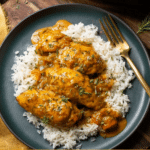
The Ultimate Guide to Authentic Southern Smothered Chicken
- Total Time: 50 minutes
- Yield: 4–6 servings
Description
Delicious Southern Smothered Chicken is a rich comfort dish featuring tender, seasoned chicken simmered in a creamy, flavorful onion gravy.
Ingredients
Chicken
- 3–4 lbs chicken (drumsticks & thighs, skin removed)
- 1 tsp smoked paprika
- 2 tsp seasoning salt (divided)
- 1 tsp black pepper
- 1 tsp garlic powder
- 1/4 cup all-purpose flour
Sauce
- 4 tbsp unsalted butter
- 2 tbsp olive oil
- 4 garlic cloves, minced
- 1 onion, chopped
- 2 thyme sprigs
- 2 cups chicken stock
- 1 cup heavy cream
Instructions
- Season chicken with paprika, 1 tsp seasoning salt, pepper, and garlic powder. Marinate for at least 3 hours (overnight best).
- Heat olive oil and sear chicken on both sides until browned. Remove and set aside.
- In the same pan, melt butter and sauté onions until caramelized (8–10 minutes). Add garlic and cook briefly.
- Stir in flour and cook until combined.
- Add chicken stock and stir until thickened (2–3 minutes).
- Pour in heavy cream, add thyme and remaining seasoning salt, and simmer.
- Return chicken to the pan, coat in sauce, and simmer 10–15 minutes until fully cooked and gravy thickens.
Notes
- Marinate overnight for deeper flavor.
- Add flour slurry if gravy needs extra thickening.
- Serve with rice, mashed potatoes, or biscuits.
- Prep Time: 15 minutes (+ marinating)
- Cook Time: 35 minutes
- Category: Main Dish, Comfort Food
- Method: Stovetop
- Cuisine: Southern American