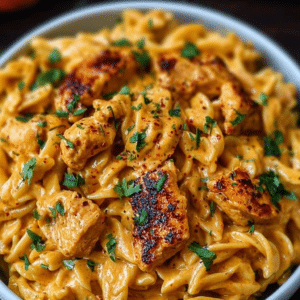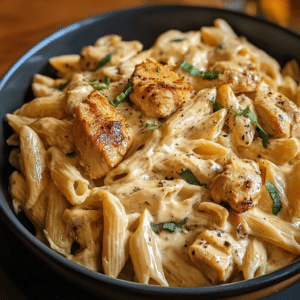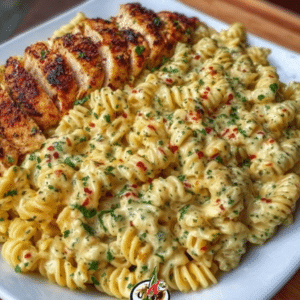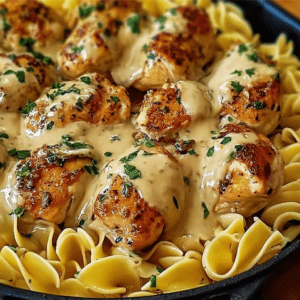
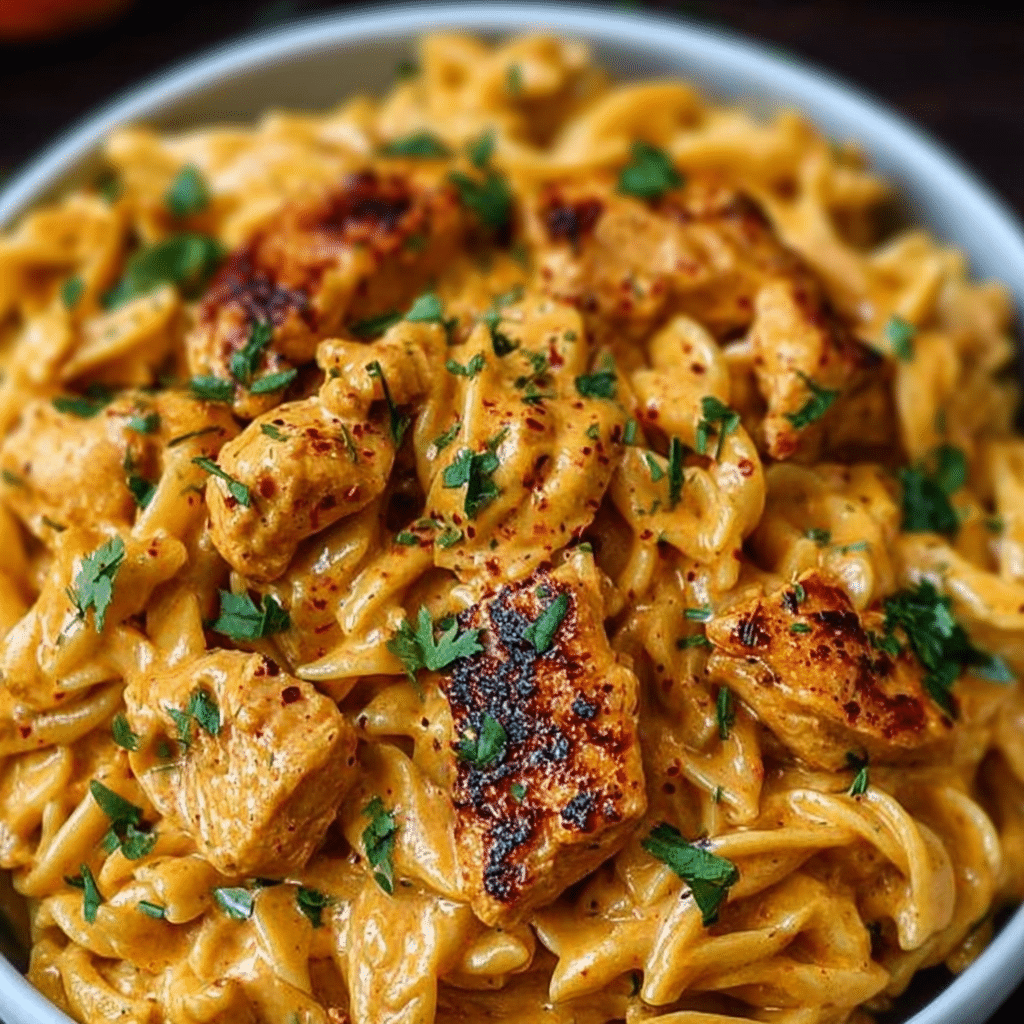
In the landscape of modern comfort food, few flavor profiles have gained as much traction as “Cowboy Butter.” Originally popularized as a dipping sauce for high-end steaks, this zesty, garlic-heavy, and herb-infused butter has found a new and arguably superior home: as the soul of a decadent pasta dish. Cowboy Butter Chicken Pasta is a culinary crossover that merges the rustic, bold seasonings of the American West with the refined, silky techniques of Italian-American cream sauces. By utilizing a high-fat dairy base and infusing it with aromatic alliums and red pepper heat, you create a meal that is both profoundly satisfying and technically balanced. This guide provides an exhaustive look at the preparation of this dish, exploring the importance of the Maillard reaction in searing poultry, the science of emulsion in cream sauces, and the professional methods required to achieve a “glossy” finish that clings perfectly to every strand of pasta.
The Flavor Profile: Boldness Meets Silk
The term “Cowboy” in a culinary context usually signals two things: smoke and spice. While traditional Alfredo sauce relies on the subtle interplay of butter and Parmesan, Cowboy Butter Chicken Pasta introduces a more aggressive aromatic profile. The foundation is a “compound butter” approach, where garlic and onions are poached in unsalted butter to create a flavored fat base.
When you introduce red pepper flakes and Italian seasoning into this fat, the fat-soluble compounds in the herbs are “bloomed,” releasing a depth of flavor that water-based liquids cannot achieve. This boldness is then tempered by the addition of heavy cream and chicken broth, which provide a neutral, velvety backdrop. The result is a dish that hits multiple sensory points: the sharp bite of garlic, the lingering warmth of chili, the savory umami of Parmesan, and the succulent texture of perfectly seared chicken.
Essential Ingredients for a Professional Result
To execute this dish at a restaurant level, it is vital to understand the functional role of each ingredient. Quality and temperature management are the keys to ensuring the sauce remains stable and the chicken stays juicy.
The Foundation: Pasta and Protein
- 12 ounces Pasta (Penne or Fettuccine): The choice of pasta is critical for sauce delivery. Penne, with its hollow center and external ridges, is excellent for trapping chunks of garlic and onion. Fettuccine, on the other hand, provides a wide, flat surface area that allows the heavy cream glaze to coat the noodles evenly.
- 1 pound Chicken Breast (Boneless and Skinless): Cutting the chicken into bite-sized pieces before cooking serves a dual purpose: it ensures a faster, more even cook time and increases the surface area for browning, which adds a deep, savory “roasted” flavor to the entire skillet.
The “Cowboy” Aromatics and Fats
- 4 tablespoons Unsalted Butter: Using unsalted butter is a professional standard. It allows you to control the salinity of the dish independently, ensuring the final product isn’t over-salted by the time you add the Parmesan.
- 4 cloves Garlic (Minced) & 1 medium Onion (Diced): These are the primary aromatics. When sautéed in butter, they lose their raw pungency and develop a sweet, mellow depth that forms the “bass note” of the sauce.
- 1 tablespoon Italian Seasoning: A blend typically containing oregano, thyme, rosemary, and basil. These dried herbs provide an earthy, floral contrast to the richness of the cream.
- 1 teaspoon Red Pepper Flakes: This provides the “Cowboy” kick. One teaspoon offers a manageable medium heat, but this can be adjusted based on personal preference.
The Creamy Architecture
- 1 cup Heavy Cream: This is the primary thickener. High-fat cream (36%+) is essential because it is more resistant to “breaking” or curdling when exposed to the heat and salt of the other ingredients.
- 1 cup Chicken Broth (Low-Sodium): The broth deglazes the pan and provides a savory liquid base that keeps the sauce from becoming too “cloying” or overly thick.
- 1 cup Parmesan Cheese (Grated): Beyond flavor, Parmesan acts as a stabilizer. As it melts, the proteins and fats in the cheese help emulsify the cream and broth into a singular, cohesive sauce.
Step-by-Step Preparation and Technical Mastery
Success in one-pan pasta dishes comes down to timing. You want the chicken to be perfectly cooked and the sauce to be at its peak thickness at the exact moment the pasta reaches “al dente.”
Phase One: The Science of the Perfect Pasta
Begin by bringing a large pot of water to a rolling boil. It is a common myth that oil should be added to pasta water; instead, use a generous amount of salt. This seasons the pasta from the inside out. Add your 12 ounces of pasta and cook until it is al dente—usually one minute less than the package instructions.
The Professional Secret: Before draining, reserve 1 cup of the cloudy pasta water. This water is filled with starch. If your final sauce becomes too thick or “tight” while sitting, a splash of this starchy water will loosen it while maintaining a silky, professional sheen. Once drained, set the pasta aside.
Phase Two: Searing for Maximum Flavor
In a large, heavy-bottomed skillet, melt the first 2 tablespoons of butter over medium heat. Add your bite-sized chicken pieces, seasoning them immediately with salt and pepper.
The goal here is the Maillard reaction—the chemical reaction between amino acids and reducing sugars that gives browned food its distinctive flavor. Cook for 6-8 minutes, stirring only occasionally. If you move the chicken too much, it will steam rather than sear. Once the chicken is golden brown and reaches an internal temperature of 165°F, remove it from the skillet. This prevents the chicken from becoming rubbery while you build the sauce.
Phase Three: Building the Cowboy Butter Base
In the same skillet—which should now contain flavorful browned bits from the chicken (the fond)—add the remaining 2 tablespoons of butter. Toss in your diced onions and minced garlic. Sauté for 3-4 minutes until the onions are translucent and the garlic is fragrant.
This is the most aromatic part of the process. The butter is essentially becoming “Cowboy Butter” in the pan. The fats are soaking up the oils from the garlic and onion, ensuring that every subsequent ingredient added to the pan will be infused with these flavors.
Phase Four: The Emulsion and Simmer
Pour in the heavy cream and chicken broth, using a whisk or wooden spoon to scrape up the fond from the bottom of the skillet. This incorporates the roasted chicken flavor directly into the liquid. Add the Italian seasoning and red pepper flakes.
Bring the mixture to a gentle simmer. Do not let it reach a violent boil, as this can cause the dairy to separate. Let it cook for about 5 minutes. As the water in the broth and cream evaporates, the sauce will naturally thicken. Once it reaches a consistency that can coat the back of a spoon, you are ready for the final assembly.
Phase Five: The Final Melding of Flavors
Slowly whisk in the grated Parmesan cheese until it is completely melted and the sauce is smooth. Now, return the cooked chicken and the drained pasta to the skillet. Toss everything together for about 2 minutes over low heat.
This final “cook-in” period allows the pasta to absorb a small amount of the sauce into its structure, while the chicken is rewarmed. If the sauce feels too heavy, add a few tablespoons of your reserved pasta water and toss vigorously. The starch will create a beautiful, glossy emulsion.
Presentation and Finishing Touches
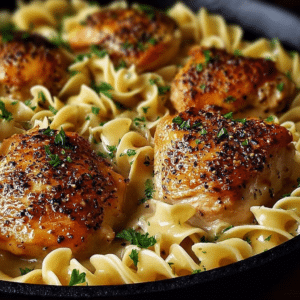
A professional dish is defined by its final aesthetic. Remove the skillet from the heat to prevent overcooking the pasta. Garnish with a generous handful of freshly chopped parsley. The bright green of the parsley provides a visual and flavor contrast to the rich, orange-tinted cream sauce. For an extra touch of “Cowboy” flair, you can add a final sprinkle of red pepper flakes or a few cracks of fresh black pepper.
Expert Variations and Customizations
While the base recipe is designed for maximum impact, the “Cowboy” style is inherently adventurous and can be adapted to suit different needs.
Protein Substitutions
- Steak: For a true steakhouse experience, replace the chicken with seared sirloin or ribeye tips. Sear the steak quickly over high heat to keep the center medium-rare before adding it to the final sauce.
- Shrimp: Shrimp “Cowboy” Pasta is an excellent lighter alternative. Shrimp only require 2 minutes of cooking time per side and pair beautifully with the lemon-garlic notes often found in Cowboy Butter.
Lighter and Dairy-Free Options
If you find heavy cream too rich, you can substitute it with coconut milk. While this will introduce a slight tropical undertone, it pairs surprisingly well with the garlic and red pepper. Alternatively, you can use half-and-half, though you may need to add a teaspoon of cornstarch to the chicken broth to help the sauce thicken without breaking.
Adding Texture with Vegetables
To make this a one-pan meal with added nutrition, consider sautéing sliced bell peppers or mushrooms along with the onions and garlic. The sweetness of roasted red peppers specifically complements the heat of the red pepper flakes.
Frequently Asked Questions
Why did my sauce turn out oily?
An oily sauce is usually a sign that the emulsion has “broken.” This happens if the heat is too high or if the cheese was added too quickly. To fix a broken sauce, remove the pan from the heat and whisk in a tablespoon of cold heavy cream or a splash of starchy pasta water. The sudden drop in temperature and the introduction of a stabilizer can often pull the sauce back together.
Can I use pre-shredded Parmesan?
For the best results, always grate your own Parmesan from a block. Pre-shredded cheeses are often coated in potato starch or cellulose to prevent clumping in the bag. These anti-caking agents can prevent the cheese from melting smoothly, resulting in a grainy or lumpy sauce.
How do I store and reheat leftovers?
Pasta with cream sauce can be tricky to reheat because the noodles continue to absorb moisture as they sit. Store leftovers in an airtight container for up to 3 days. To reheat, place the pasta in a skillet over low heat and add a splash of milk or chicken broth. Stir gently until the sauce thins out and becomes creamy again. Avoid the microwave if possible, as it tends to separate the fats.
Is this dish very spicy?
With 1 teaspoon of red pepper flakes, the dish has a noticeable warmth but is generally considered “medium.” If you are sensitive to spice, start with ¼ teaspoon. If you love heat, you can double the amount or add a dash of cayenne pepper.
What is the best side dish for Cowboy Butter Pasta?
Because the pasta is rich and savory, it pairs best with something acidic or crisp. A simple arugula salad with a lemon-vinaigrette dressing or roasted balsamic Brussels sprouts will help cleanse the palate between bites.
Can I make this gluten-free?
Yes. Simply substitute the 12 ounces of pasta with your favorite gluten-free variety (brown rice or chickpea pasta work well). Be careful not to overcook gluten-free pasta, as it can become mushy more quickly than wheat-based pasta.
Why use low-sodium chicken broth?
Between the salted pasta water, the Parmesan cheese, and the seasoned chicken, there is plenty of salt in this dish. Using low-sodium broth ensures that you don’t cross the threshold into “over-salted” territory, allowing the delicate herbs and garlic to remain the stars of the show.
Can I use dried parsley instead of fresh?
Fresh parsley is highly recommended for the garnish because it adds a bright, “grassy” flavor that cuts through the fat of the butter and cream. Dried parsley is much more muted and won’t provide the same refreshing finish.
How do I prevent the garlic from burning?
Garlic burns very quickly and becomes bitter. Always wait until the butter is melted and the onions have already started cooking before adding the garlic. Sauté it only until it smells fragrant—usually about 60 to 90 seconds.
Can I use chicken thighs?
Absolutely. Chicken thighs are more forgiving than breasts and stay juicy even if they are slightly overcooked. If using thighs, increase the initial searing time by about 2 minutes to ensure the extra fat is properly rendered and the meat is fully cooked.
Conclusion
Cowboy Butter Chicken Pasta is a celebration of bold flavors and comforting textures. By mastering the fundamental techniques of searing, blooming spices, and creating a stable cream emulsion, you can produce a meal that rivals any restaurant offering. The secret lies in the details: the quality of the Parmesan, the timing of the pasta, and the use of starchy water to achieve that perfect, glossy finish. Whether you are cooking for a weeknight family dinner or looking to impress guests with a new flavor profile, this dish offers a unique and addictive experience that truly lives up to its “flavorful” name. Enjoy the process of building your sauce, and savor every bite of this American-Western inspired masterpiece.
Print
The Ultimate Guide to Cowboy Butter Chicken Pasta: A Bold, Creamy, and Flavorful Revolution
- Total Time: 35 minutes
- Yield: 4 servings
Description
This Cowboy Butter Chicken Pasta is a creamy, bold, and flavor-packed dish made with tender chicken, garlic butter sauce, and perfectly coated pasta for an easy and satisfying dinner.
Ingredients
- 12 oz pasta (penne or fettuccine)
- 1 lb chicken breast, cut into pieces
- 4 tbsp unsalted butter
- 4 cloves garlic, minced
- 1 medium onion, diced
- 1 cup heavy cream
- 1 cup chicken broth
- 1 cup grated Parmesan cheese
- 1 tbsp Italian seasoning
- 1 tsp red pepper flakes
- Salt and pepper to taste
- Fresh parsley (optional)
Instructions
- Cook pasta in salted boiling water until al dente. Reserve 1 cup pasta water, drain, and set aside.
- In a skillet, melt 2 tablespoons butter and cook chicken with salt and pepper for 6–8 minutes until golden. Remove and set aside.
- Add remaining butter and sauté garlic and onion until softened.
- Pour in heavy cream and chicken broth. Add Italian seasoning and red pepper flakes.
- Simmer for 5 minutes until slightly thickened.
- Add Parmesan cheese and stir until melted and creamy.
- Return chicken and pasta to the skillet and toss to coat.
- Use reserved pasta water if needed to adjust consistency.
- Cook for 2 more minutes, garnish with parsley, and serve.
Notes
- Substitute coconut milk for a lighter version.
- Add spinach or mushrooms for extra flavor.
- Adjust spice level with more or less chili flakes.
- Best served fresh and creamy.
- Prep Time: 10 minutes
- Cook Time: 25 minutes
- Category: Main Dish
- Method: Stovetop
- Cuisine: American