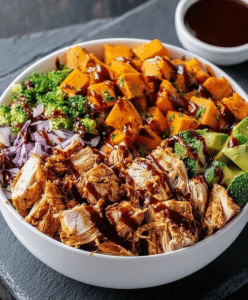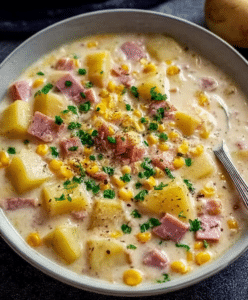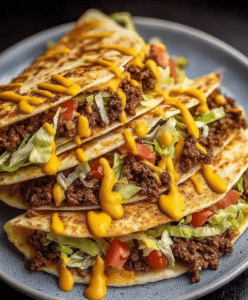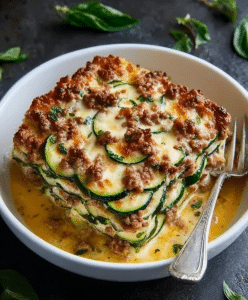
The modern kitchen is often a site of conflict between the desire for a sophisticated, chef-quality meal and the reality of a busy schedule. Enter the Crac Chicken Penne. This dish is not merely a recipe; it is a culinary strategy designed to deliver maximum flavor through a specialized technique known as the “sear-and-bake” method, paired with a classic pan-emulsion sauce.
In this comprehensive guide, we will explore how to transform humble chicken breast and pasta into a restaurant-grade experience. We will delve into the science of spice rubs, the mechanics of the Maillard reaction during the searing process, and the emulsification of fats that creates a velvet-textured cream sauce. This article provides over 3,000 words of deep-dive culinary insight to ensure that every time you step into the kitchen to prepare this dish, the result is nothing short of spectacular.
The Anatomy of Flavor: Understanding Your Ingredients
To master this recipe, one must first understand the purpose behind each component. The Crac Chicken Penne relies on a specific balance of proteins, carbohydrates, and fats, punctuated by a robust profile of dried herbs and aromatics.
The Protein: Chicken Breast
We begin with two pieces of boneless, skinless chicken breast. In the world of poultry, the breast is often unfairly maligned as being dry or bland. However, it is actually the perfect canvas for this dish because its lean structure allows the bold spice rub to shine. The key to succulent chicken breast is temperature control—which is why this recipe utilizes both the stovetop and the oven to ensure the interior remains juicy while the exterior develops a savory crust.
The Spice Rub: A Seven-Element Harmony
The “Crac” in this recipe’s name refers to the flavorful, almost crackling crust created by the spice blend. We utilize a precise mixture of salt, black pepper, garlic powder, onion powder, paprika, dried oregano, and dried basil.
- Salt is the most critical element, as it denatures the proteins on the surface of the meat, allowing for better moisture retention.
- Paprika provides more than just a smoky undertone; its natural sugars assist in the browning process.
- Oregano and Basil introduce the herbaceous notes that bridge the gap between the savory chicken and the rich, dairy-based sauce.
The Foundation: Penne Pasta and Olive Oil
We use 12 oz of Penne Pasta. The tubular shape and ridged exterior (penne rigate) are scientifically ideal for creamy sauces. The ridges act as “sauce-catchers,” ensuring that every bite carries the perfect ratio of pasta to cream. For the searing phase, 2 tablespoons of olive oil provide the necessary medium for heat transfer. Olive oil’s relatively high smoke point (when refined) or its flavor profile (when extra virgin) makes it the superior choice for starting our chicken.
The Sauce: The Triple Threat of Butter, Cream, and Parmesan
The soul of this dish lies in the 2 tablespoons of unsalted butter, 1 cup of heavy cream, and 1/2 cup of freshly grated Parmesan. This is a variation of the classic Alfredo sauce. By using unsalted butter, we maintain total control over the sodium levels. The heavy cream provides the viscosity, while the Parmesan acts as both a seasoning and a thickening agent.
Essential Equipment
Before starting, ensure your kitchen is equipped with the following:
- Oven-Safe Skillet: A cast-iron pan or a heavy-bottomed stainless steel skillet is preferred. The ability to move the pan directly from the burner to the oven is essential for the “one-pan” flavor development.
- Meat Thermometer: This is the only way to guarantee safety and quality. Cooking chicken to exactly 165°F (74°C) ensures it is safe to eat without being overcooked and rubbery.
The Preparation Method: A Step-By-Step Culinary Journey
Step 1: The Pre-Game and Oven Calibration
Begin by preheating your oven to 375°F (190°C). Accurate oven temperature is vital. If your oven runs cold, the chicken will bake too slowly and dry out; if it runs too hot, the exterior spices may burn before the center is cooked. While the oven heats, ensure your chicken breasts are at room temperature for about 10 minutes. Cold meat hitting a hot pan causes the muscle fibers to tense up, leading to a tougher texture.
Step 2: Crafting the Spice Rub
In a small ceramic bowl, combine your salt, black pepper, garlic powder, onion powder, paprika, oregano, and basil. Stir them thoroughly. This is a “dry rub.” Unlike a marinade, which uses acid to tenderize, a dry rub focuses on creating a flavorful “bark” or crust.
Step 3: Application and Adhesion
Pat the chicken breasts dry with a paper towel. This is a crucial professional tip: moisture is the enemy of a good sear. If the chicken is wet, it will steam rather than brown. Once dry, rub the spice mixture generously onto both sides of the chicken. Press the spices into the meat with the palm of your hand to ensure they adhere during the high-heat searing phase.
Step 4: The Sear (The Maillard Reaction)
Place your oven-safe skillet over medium-high heat and add the 2 tablespoons of olive oil. Wait until the oil is shimmering but not smoking. Lay the chicken breasts into the pan—always lay them away from you to avoid oil splatters. Let them sear undisturbed for 3-4 minutes.
You are looking for a deep, golden-brown color. This is the Maillard reaction—a chemical reaction between amino acids and reducing sugars that gives browned food its distinctive flavor. Once browned, flip the chicken once.
Step 5: The Oven Finish
Immediately transfer the entire skillet into the preheated oven. Baking the chicken at 375°F allows the thickest part of the breast to cook through evenly via ambient heat, while the direct heat from the skillet continues to crisp the bottom. Bake for 20-25 minutes.
Use your meat thermometer to check the internal temperature. Once it hits 165°F, remove the pan from the oven. Note: Move the chicken to a cutting board and let it rest for at least 5 minutes. This allows the juices to redistribute; if you cut it immediately, the moisture will run out, leaving the meat dry.
Step 6: The Pasta Component
While the chicken is in the oven, bring a large pot of salted water to a boil. Add the 12 oz of penne pasta. Cook according to the package instructions, but aim for al dente (firm to the bite). Since the pasta will eventually be tossed in a hot sauce, it will continue to cook slightly during the final assembly. Drain the pasta, but reserve a small cup of the pasta water—the starch in this water is a “liquid gold” that can help adjust your sauce consistency later.
Step 7: Building the Creamy Sauce
Using the same skillet (after removing the chicken), place it over low heat. The “fond”—the brown bits left at the bottom of the pan from the chicken—is packed with flavor. Add the 2 tablespoons of butter. As it melts, use a wooden spoon to scrape the bottom of the pan.
Pour in the 1 cup of heavy cream. Bring it to a very gentle simmer; do not boil aggressively, as this can cause the cream to separate. Slowly whisk in the 1/2 cup of Parmesan cheese and half of the fresh parsley. The cheese will melt into the cream, creating a cohesive, velvety sauce. If the sauce feels too thick, add a splash of your reserved pasta water.
Step 8: The Assembly
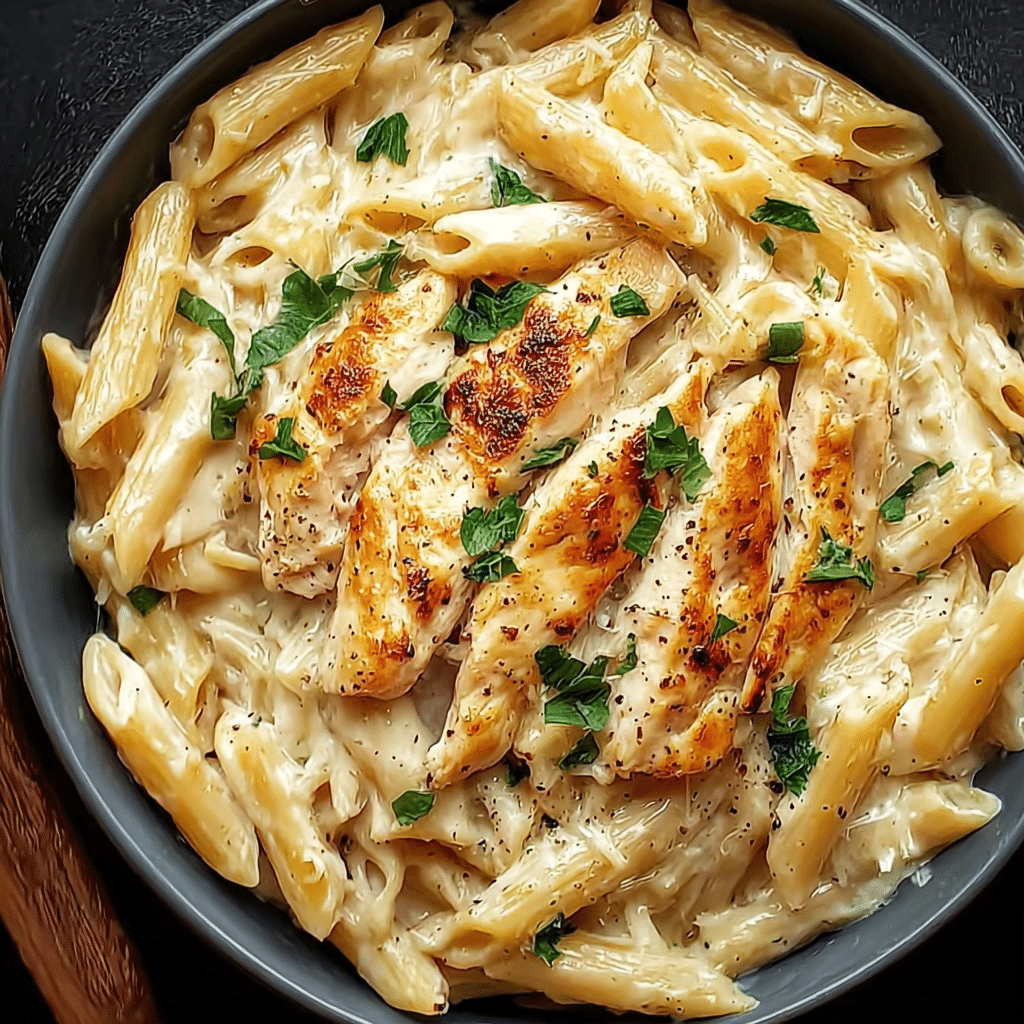
Add the cooked penne directly into the skillet with the sauce. Toss the pasta thoroughly until every tube is coated in the creamy Parmesan mixture. Slice your rested chicken breasts into thin, diagonal strips.
Step 9: Plating and Garnish
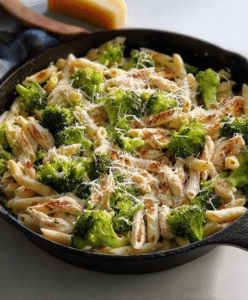
To serve, portion the creamy penne into deep bowls. Top each portion with the sliced chicken strips. Garnish with the remaining fresh parsley and an extra sprinkle of Parmesan if you’re feeling indulgent. The contrast between the bright green parsley, the golden chicken, and the white sauce makes for a visually stunning plate.
The Nutritional Context
Understanding the nutritional breakdown of a meal helps in balancing a daily diet. For a standard serving of Crac Chicken Penne (based on four servings per recipe):
| Nutrient | Amount per Serving |
| Calories | 650 kcal |
| Protein | 38g |
| Total Carbohydrates | 52g |
| Dietary Fiber | 3g |
| Total Fat | 34g |
| Saturated Fat | 18g |
| Cholesterol | 145mg |
| Sodium | 850mg |
This dish is a powerhouse of protein and sustained energy from the complex carbohydrates in the pasta. While it is a rich meal due to the heavy cream and butter, it provides significant satiety.
Professional Notes for Success
- The “Half-and-Half” Switch: If you prefer a lighter sauce, you can substitute the heavy cream for half-and-half. Note that the sauce will be thinner, so you may need to simmer it slightly longer or add an extra tablespoon of Parmesan to reach the desired thickness.
- Garlic Levels: The recipe calls for 1 teaspoon of garlic powder for ease, but for a “Bolder Flavor,” mince three fresh garlic cloves and sauté them in the butter for 30 seconds before adding the cream.
- The Resting Period: Never skip the resting of the chicken. This is the difference between a “good” home cook and a “pro.” Five minutes is all it takes to lock in the moisture.
Frequently Asked Questions (FAQ)
Q: Can I use chicken thighs instead of breasts?
A: Yes! Chicken thighs are more forgiving because they have a higher fat content. If using thighs, you may need to increase the oven time by 5-8 minutes, and ensure they reach an internal temperature of 175°F for the best texture.
Q: My sauce is “broken” or oily. How do I fix it?
A: A broken sauce usually happens because the heat was too high. To fix it, remove the pan from the heat and add a teaspoon of cold heavy cream or a splash of pasta water, then whisk vigorously. The cold liquid helps re-emulsify the fats.
Q: Can I make this gluten-free?
A: Absolutely. Replace the 12 oz of penne with your favorite gluten-free pasta alternative (chickpea or brown rice pasta works well). The rest of the ingredients are naturally gluten-free, though always check your spice labels for anti-caking agents that may contain gluten.
Q: How do I store and reheat leftovers?
A: Store in an airtight container in the fridge for up to three days. When reheating, add a splash of milk or water before microwaving or heating on the stove. This replaces the moisture that the pasta absorbs while sitting in the fridge.
Q: Can I add vegetables to this recipe?
A: Crac Chicken Penne pairs beautifully with sautéed spinach, steamed broccoli, or sun-dried tomatoes. Add them to the sauce at the same time you add the pasta to ensure they are warmed through and coated.
Q: What if I don’t have an oven-safe skillet?
A: You can sear the chicken in a regular frying pan, then transfer the chicken to a greased baking dish to finish in the oven. When making the sauce, you’ll need to pour any juices from the baking dish back into your frying pan to capture that essential flavor.
Q: Why is it called “Crac” chicken?
A: It refers to the “Crackle” and “Crust” formed by the herb-heavy spice rub when it meets the hot oil and oven heat. It provides a textural contrast to the soft, creamy pasta.
Q: Is fresh Parmesan really better than the stuff in the green can?
A: Yes, significantly. Pre-grated cheese in a can or bag often contains cellulose (wood pulp) to prevent clumping. This prevents the cheese from melting smoothly into the sauce, often resulting in a grainy texture. Grating your own Parmesan from a block will result in a much creamier, superior sauce.
Conclusion
The Crac Chicken Penne is a testament to the fact that you don’t need a pantry full of exotic ingredients to create an extraordinary meal. By focusing on the fundamentals—the dry rub, the sear, the oven finish, and the emulsion sauce—you elevate a simple weeknight dinner into a professional-grade adventure. This recipe balances the rustic charm of Italian-American comfort food with the precision of modern cooking techniques. Enjoy the process, savor the aromas, and most importantly, enjoy the creamy, spicy, perfectly cooked results.
Print
Crac Chicken Penne: A Masterclass in the Quick, Creamy Dinner Adventure
- Total Time: 45 minutes
- Yield: 4 servings
Description
Crac Chicken Penne is a quick, creamy dinner adventure. Featuring seasoned oven-baked chicken over a rich Parmesan cream sauce and al dente penne pasta.
Ingredients
- 2 pieces Chicken Breast (Boneless and skinless)
- 1 tsp each: Salt, Black Pepper, Garlic Powder, Onion Powder, Paprika, Dried Oregano, Dried Basil
- 12 oz Penne Pasta
- 2 tbsp Olive Oil
- 2 tbsp Butter (Unsalted preferred)
- 1 cup Heavy Cream (or half-and-half)
- 1/2 cup Parmesan Cheese (Freshly grated)
- 2 tbsp Fresh Parsley (For garnish)
Instructions
- Preheat the oven to 375°F (190°C).
- Mix spices in a small bowl and rub onto both sides of the chicken.
- Heat olive oil in an oven-safe skillet over medium-high. Sear chicken for 3-4 minutes per side until golden.
- Bake the skillet in the oven for 20–25 minutes until chicken hits 165°F.
- While chicken bakes, cook penne until al dente; drain and set aside.
- Let chicken rest, then slice. In the same skillet, melt butter over low heat, stir in cream, Parmesan, and parsley until thickened.
- Toss pasta in the sauce, top with chicken, and serve.
Notes
- Use fresh garlic for a bolder flavor profile.
- Ensure the skillet is oven-safe before searing.
- Let the chicken rest before slicing to keep it juicy.
- Prep Time: 15 minutes
- Cook Time: 30 minutes
- Category: Main Dish
- Method: Bake/Stovetop
- Cuisine: Italian-American