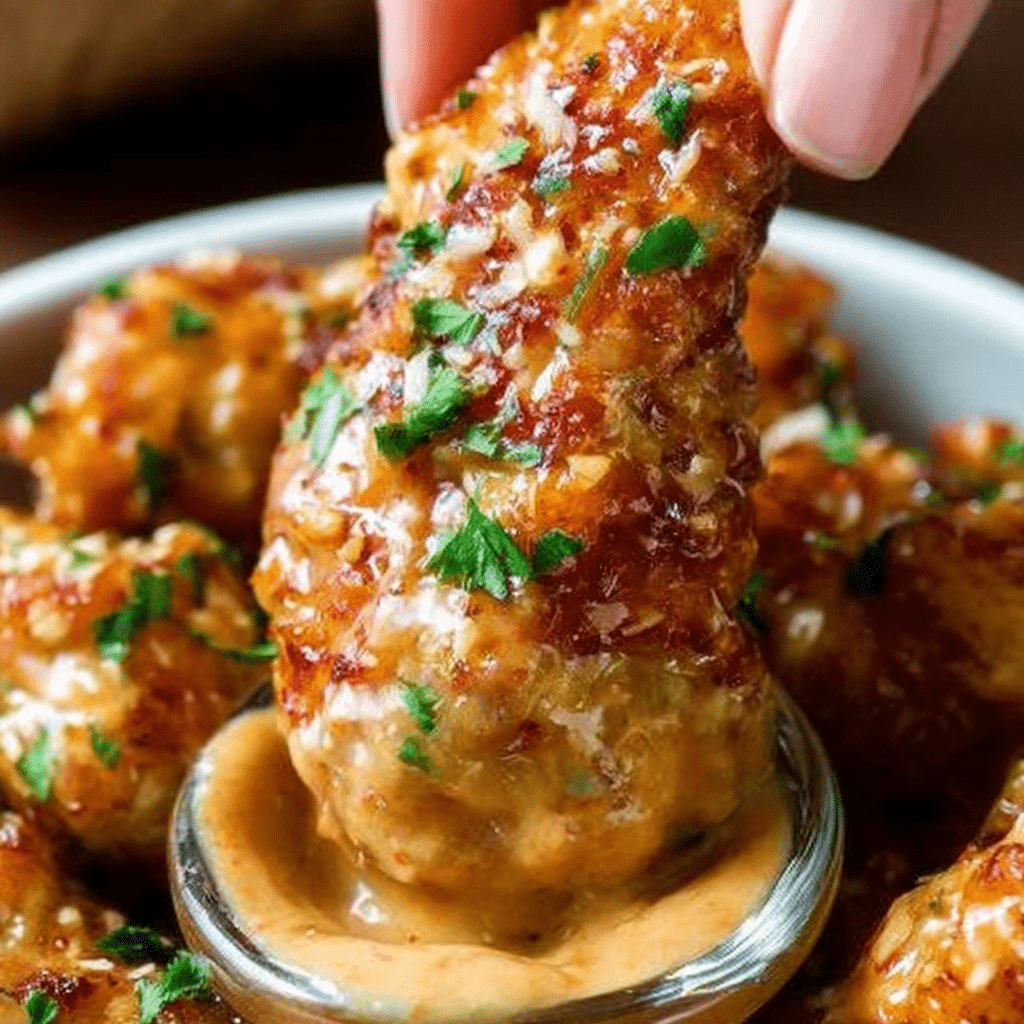
In the pantheon of modern appetizers, few dishes carry the same level of crave-ability as Bang Bang Chicken. Originally inspired by the classic Sichuan “Bang Bang Ji”—which translates to “knocked chicken” due to the traditional practice of tenderizing the meat with a wooden mallet—the version we celebrate in contemporary Western kitchens is a delightful fusion of crispy textures and a creamy, neon-orange sauce. It is a dish defined by its dualities: the heat of Sriracha balanced by the sweetness of Thai chili and honey, and the crunch of panko breadcrumbs against the succulent tenderness of buttermilk-marinated chicken. This comprehensive guide will walk you through the science of the perfect fry, the chemistry of the emulsified sauce, and the technical steps required to bring this restaurant-quality masterpiece into your home kitchen.
The Culinary Architecture of the Perfect Crunch
To understand why Bang Bang Chicken is so successful, one must look at the layers of its construction. It is not merely fried chicken; it is a meticulously engineered sequence of flavors and textures. The process begins with a buttermilk brine, which serves a dual purpose: the lactic acid tenderizes the chicken fibers, while the thickness of the buttermilk provides the “glue” for a high-starch batter. By combining all-purpose flour with cornstarch, we create a coating that is crispier and lighter than flour alone. Cornstarch prevents the development of excessive gluten, resulting in a “shatter-crust” that remains firm even after being tossed in a heavy sauce.
The final layer, the panko breadcrumbs, provides the structural integrity. Unlike traditional breadcrumbs, panko is made from crustless bread that is processed into large, airy flakes. These flakes do not pack down, creating a porous surface area that traps the Bang Bang sauce in its many crannies, ensuring that every bite delivers a punch of flavor without the chicken becoming soggy.
Essential Ingredients for Bang Bang Success
Achieving the signature flavor and texture requires a specific set of pantry staples and fresh proteins. Each ingredient plays a vital role in the chemical and sensory profile of the dish.
The Signature Bang Bang Sauce
- 1 cup (232 g) mayonnaise: This serves as the creamy, fat-rich base that carries the heat and sweetness.
- ½ cup (132 g) Thai sweet chili sauce: This provides the primary flavor profile—a mild heat combined with a high sugar content that gives the sauce its gloss.
- 1 teaspoon Sriracha (or more to taste): This adds the necessary fermented chili kick and a vibrant red hue.
- 2 tablespoons honey: Honey acts as a floral sweetener that rounds out the sharp edges of the vinegar in the mayonnaise and chili sauce.
The Chicken and Marinade
- 1 ½ pounds boneless skinless chicken tenderloins: Tenderloins are the ideal cut because they are naturally more tender than the main breast muscle and are already shaped for easy frying and dipping.
- 1 cup (245 g) buttermilk: Essential for tenderizing the protein and providing a tangy base for the batter.
- 1 large egg (room temperature): The egg acts as a binder, ensuring the batter adheres to the smooth surface of the chicken.
- 1 tablespoon Sriracha: Adding heat directly into the batter ensures the flavor is built from the inside out.
The Dredge and Seasoning
- ¾ cup (94 g) all-purpose flour & ½ cup (64 g) cornstarch: The secret duo for a light, airy, and long-lasting crunch.
- ½ teaspoon garlic powder, ½ teaspoon kosher salt, and ¼ teaspoon black pepper: The foundational seasonings that ensure the chicken itself isn’t bland beneath the sauce.
- ⅛ teaspoon cayenne pepper (optional): For those who prefer a lingering “back-of-the-throat” heat.
- 2 cups (216 g) panko breadcrumbs: The Japanese-style crumbs that provide the “bang” in the texture.
- Canola oil: Chosen for its high smoke point and neutral flavor, allowing the chicken and sauce to be the stars.
Step-by-Step Preparation and Frying Technique
Mastering fried chicken is about temperature control and patience. Follow these detailed steps to ensure your chicken is safe, succulent, and perfectly golden.
Creating the Emulsified Sauce
Before you heat your oil, you must prepare the sauce. In a small glass bowl, combine the mayonnaise, Thai sweet chili sauce, Sriracha, and honey. Whisk vigorously until the colors merge into a consistent, creamy coral shade. By making the sauce first, you allow the flavors to meld at room temperature. Set this aside—do not refrigerate it yet, as you want the sauce to be easy to toss with the hot chicken later.
The Two-Stage Batter and Dredge
In a medium mixing bowl, create your “wet-dry” batter. Combine the buttermilk, flour, cornstarch, egg, Sriracha, and all your dry spices (garlic powder, salt, pepper, and cayenne). Whisk this until it reaches the consistency of a thick pancake batter. If it is too thin, it will slide off the chicken; if too thick, the crust will be doughy.
Submerge the chicken tenderloins in this mixture, ensuring every crevice is coated. This stage is where the buttermilk begins its work on the protein. While the chicken marinates for a few moments, prepare your dredging station by placing the panko breadcrumbs on a shallow plate.
Working with one hand for “wet” and one hand for “dry” (a classic culinary technique to avoid “club hand”), remove a tenderloin from the batter, shake off the excess, and lay it in the panko. Press down firmly. You want to see the panko flakes embedded into the batter. Place the coated pieces on a clean wire rack or plate; letting them sit for 3 to 5 minutes before frying helps the coating “set,” which prevents it from falling off in the hot oil.
The Art of the Shallow Fry
Add about an inch of canola oil to a large, heavy-bottomed skillet (cast iron or a heavy stainless steel pan is preferred for heat retention). Using a kitchen thermometer is non-negotiable for professional results. Heat the oil over medium-high until it reaches exactly 365°F.
Carefully lower the chicken into the oil in batches. Do not crowd the pan; if you add too much chicken at once, the oil temperature will plumment, and the chicken will absorb oil and become greasy rather than crispy. Cook for 2 to 3 minutes per side. Use a digital thermometer to verify the internal temperature has reached 165°F. The exterior should be a deep, mahogany gold.
The Final Toss and Garnish
Transfer the fried chicken to a plate lined with paper towels. Let them drain for no more than 60 seconds. You want the chicken to be hot when it meets the sauce. Place the warm chicken in a large metal bowl, pour over the Bang Bang sauce, and toss gently with tongs or a large spoon until every piece is glistening.
Transfer to a serving platter immediately. Garnish with a generous sprinkle of freshly chopped parsley. The green of the herbs provides a sharp visual contrast to the orange sauce, signaling freshness and attention to detail.
Troubleshooting and Professional Tips
Maintaining Oil Temperature
The biggest mistake home cooks make is “guesstimating” oil heat. If the oil is too cold (below 325°F), the breadcrumbs will act like a sponge for the grease. If it is too hot (above 400°F), the panko will burn before the chicken tenderloin is cooked through. If you don’t have a thermometer, dip the end of a wooden spoon into the oil; if it bubbles steadily around the wood, you are close to the frying zone.
Achieving a Lighter Coating
If you find the coating is too heavy for your preference, you can increase the ratio of cornstarch to flour. Cornstarch has no protein, so it cannot form gluten. This results in a crispness that is more “glass-like” and brittle, which some find more sophisticated than a heavy, bread-like crust.
Keeping it Crispy for a Crowd
If you are serving this at a party, do not toss all the chicken in the sauce at once. The moisture in the sauce will eventually soften the panko. Instead, serve the sauce on the side for dipping, or toss small batches as guests arrive. If you must toss it all at once, serve it immediately.
Customization and Dietary Substitutions
Healthier Alternatives: Air Frying
To adapt this for an air fryer, spray the panko-coated chicken generously with an oil mister. Arrange them in a single layer in the air fryer basket and cook at 400°F for 10 to 12 minutes, flipping halfway through. While it won’t have the same decadent richness as oil-fried chicken, the panko will still provide a satisfying crunch.
Gluten-Free Variations
To make this dish gluten-free, substitute the all-purpose flour with a high-quality 1-to-1 gluten-free flour blend and use crushed gluten-free rice cereal or gluten-free panko in place of the standard panko. Ensure your soy sauce (if used as a side) is tamari and verify that your Thai chili sauce is certified gluten-free.
Protein Swaps
This “Bang Bang” method is incredibly versatile. You can apply the exact same batter and sauce to:
- Shrimp: Peeled and deveined large shrimp cook in only 1-2 minutes per side.
- Cauliflower: For a vegetarian “Bang Bang” cauliflower, blanch the florets for 2 minutes before battering and frying.
- Firm Tofu: Press the tofu for 30 minutes to remove moisture before following the standard dredging process.
Frequently Asked Questions
Can I use chicken breast instead of tenderloins?
Yes, you can use chicken breasts. Simply slice them into long, even strips about 1 inch wide to mimic the shape of a tenderloin. This ensures they cook at the same rate as the recipe suggests.
Why did my breading fall off in the pan?
This usually happens if the chicken was too wet before going into the batter, or if you didn’t let the coated chicken “rest” before frying. The rest period allows the flour and buttermilk to hydrate and bond with the chicken skin and the panko. Also, avoid flipping the chicken too early; let the first side develop a solid crust before moving it.
How spicy is the Bang Bang sauce?
As written, the sauce is a “medium-mild.” The mayonnaise and honey do a significant amount of work to temper the Sriracha. If you are sensitive to heat, start with half the Sriracha. If you are a “chili-head,” feel free to double the Sriracha or add a teaspoon of chili flakes to the sauce.
Can I make the sauce without mayonnaise?
For a lighter or dairy-free version, you can use Greek yogurt or a vegan mayonnaise alternative. Note that Greek yogurt will add a significant tang to the sauce, so you may need to increase the honey slightly to balance the acidity.
What should I serve with Bang Bang Chicken?
This dish is quite rich, so it pairs best with refreshing sides. A simple slaw made with shredded cabbage, lime juice, and cilantro is a classic pairing. It also serves beautifully over a bed of steamed jasmine rice or inside flour tortillas for “Bang Bang Tacos.”
Is buttermilk necessary?
If you don’t have buttermilk, you can make a “cheat” version by adding 1 tablespoon of lemon juice or white vinegar to 1 cup of regular milk and letting it sit for 5 minutes. The acidity is what’s important for tenderizing the meat.
Can I use a different oil for frying?
You can use peanut oil, which has an even higher smoke point and a lovely nutty flavor. Avoid olive oil or butter for this frying method, as they will burn at the temperatures required to crisp the panko.
How do I store leftovers?
Fried foods are best eaten fresh, but you can store leftovers in an airtight container for up to two days. To revive the crunch, do not use a microwave. Instead, place the chicken in a 375°F oven or air fryer for 4-5 minutes until heated through and the coating re-crisps.
Can I use the sauce for other things?
The Bang Bang sauce is a universal condiment. It is excellent on fish tacos, as a dip for french fries, or even drizzled over grilled salmon or roasted vegetables.
Why use kosher salt instead of table salt?
Kosher salt has larger grains, making it easier to pinch and distribute evenly. It also lacks the metallic aftertaste sometimes found in iodized table salt, providing a cleaner seasoning profile for the delicate chicken.
Conclusion
Bang Bang Chicken is a masterclass in the balance of flavor and texture. By utilizing the scientific benefits of a buttermilk soak and a cornstarch-panko crust, you can achieve a level of crispness that rivals the best professional kitchens. The sauce, a perfect equilibrium of creamy, sweet, and spicy, serves as the perfect finishing touch to the savory, golden-brown chicken. Whether you are serving this as a standout appetizer for a social gathering or as the centerpiece of a family dinner, the attention to detail in the breading and frying process will ensure a result that is as visually stunning as it is delicious. Embrace the “bang” of the crunch and the “zing” of the sauce—your kitchen is now a destination for one of the world’s most beloved fusion dishes.
Print
The Ultimate Guide to Crispy Homemade Bang Bang Chicken with Sweet and Spicy Glaze
- Total Time: 35 minutes
- Yield: 4 servings
Description
This Bang Bang Chicken features crispy, golden fried chicken tossed in a creamy, sweet, and spicy sauce for an irresistible appetizer or main dish.
Ingredients
- Bang Bang Sauce
- 1 cup mayonnaise
- 1/2 cup Thai sweet chili sauce
- 1 teaspoon Sriracha (or more to taste)
- 2 tablespoons honey
- Chicken
- 1 1/2 pounds chicken tenderloins
- 1 cup buttermilk
- 3/4 cup all-purpose flour
- 1/2 cup cornstarch
- 1 large egg
- 1 tablespoon Sriracha
- 1/2 teaspoon garlic powder
- 1/2 teaspoon salt
- 1/4 teaspoon black pepper
- 1/8 teaspoon cayenne pepper (optional)
- 2 cups panko breadcrumbs
- Canola oil for frying
- Parsley, chopped (for garnish)
Instructions
- In a bowl, mix mayonnaise, sweet chili sauce, Sriracha, and honey to make the bang bang sauce. Set aside.
- In another bowl, whisk buttermilk, flour, cornstarch, egg, Sriracha, garlic powder, salt, pepper, and cayenne.
- Add chicken to the batter and coat well.
- Place panko breadcrumbs on a plate.
- Coat each chicken piece in panko, pressing gently to adhere.
- Heat oil in a skillet to 365°F (medium-high heat).
- Fry chicken in batches for 2–3 minutes per side until golden and cooked through.
- Drain on paper towels.
- Toss chicken in bang bang sauce, garnish with parsley, and serve warm.
Notes
- Adjust spice level by adding more or less Sriracha.
- Air fry or bake for a lighter version.
- Serve with rice, noodles, or as an appetizer.
- Best served fresh for maximum crispiness.
- Prep Time: 20 minutes
- Cook Time: 15 minutes
- Category: Main Dish
- Method: Fried
- Cuisine: Asian-Inspired