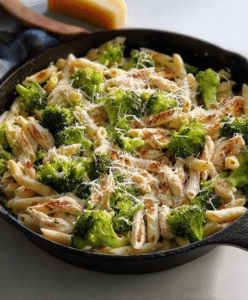
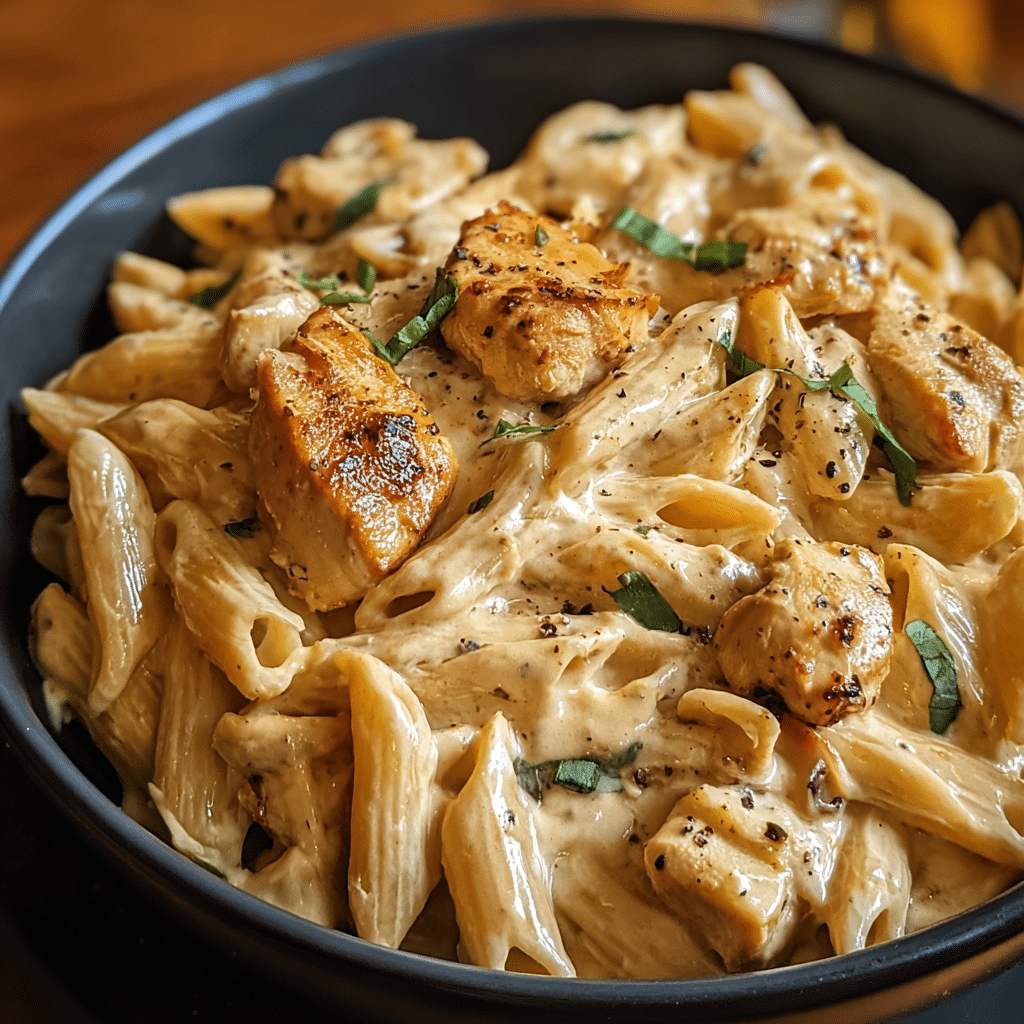
Cajun cuisine is a vibrant, soulful reflection of the cultural melting pot of Louisiana, blending French, Spanish, and African culinary traditions into a singular, bold identity. While traditional Cajun cooking often centers around long-simmered gumbos and jambalayas, the modern evolution of the “Cajun Pasta” has become a staple in both high-end bistros and home kitchens alike. This dish is defined by its ability to balance intense, peppery heat with the cooling, velvety luxury of a heavy cream reduction. In this comprehensive guide, we will deconstruct the elements of a perfect Creamy Cajun Chicken Pasta, from the science of blooming dried spices to the technical importance of starch-enriched pasta water. Whether you are looking for a quick weeknight upgrade or a centerpiece for a dinner party, understanding these professional techniques will ensure a restaurant-quality result every time.
The Flavor Profile: Heat, Smoke, and Silk
The success of a Cajun cream sauce relies on a concept known as “flavor layering.” Unlike a simple Alfredo, which relies almost exclusively on fat and salt, a Cajun pasta introduces complexity through aromatics and wood-fired notes. The foundation is built on the “Holy Trinity” of Cajun spice—typically a blend of cayenne, paprika, garlic, and onion powder—which provides a creeping heat that builds with every bite.
When this heat meets the high fat content of heavy cream and unsalted butter, a chemical transformation occurs. The fats in the dairy coat the palate, acting as a buffer that prevents the capsaicin in the peppers from becoming overwhelming. This allows the secondary flavors—the earthiness of the smoked paprika and the sharp, umami bite of the Parmesan cheese—to shine through. The result is a dish that is simultaneously stimulating and comforting.
Essential Ingredients for a Bold Result
To create a professional-grade pasta, you must select ingredients that can stand up to the vigorous flavors of the Bayou. Each component in this list serves a specific functional purpose in the dish’s architecture.
The Protein and Searing Elements
- 2 boneless, skinless chicken breasts: Chicken breasts are the preferred canvas for this dish because their lean texture provides a clean contrast to the rich sauce. However, for those who prefer a more succulent, moisture-heavy protein, boneless chicken thighs are an excellent professional alternative.
- 1 tablespoon olive oil: Used specifically for the initial sear, olive oil has a sufficient smoke point to brown the chicken without scorching the dried spices.
- 1 tablespoon Cajun seasoning (for the chicken): This initial application ensures that the flavor is “locked into” the meat during the searing process, rather than just sitting on the surface of the sauce.
The Pasta Foundation
- 12 oz penne, fettuccine, or spaghetti: The choice of pasta shape dictates the “sauce-to-carb” ratio. Penne is a classic choice because the hollow center captures the creamy sauce, while fettuccine provides a wide surface area for the silkiness of the cream to cling to.
- Salt (for the pasta water): This is the only opportunity to season the pasta itself. Professional chefs aim for water that “tastes like the sea” to ensure the starch isn’t bland.
The Architecture of the Cajun Cream Sauce
- 2 tablespoons unsalted butter: Using unsalted butter allows you to control the sodium levels precisely, especially since Cajun seasonings and Parmesan cheese are already high in salt.
- 4 cloves garlic, minced: Fresh garlic provides a pungent, aromatic top note that pre-minced jarred garlic simply cannot replicate.
- 1 tablespoon Cajun seasoning & 1 teaspoon smoked paprika: Adding a second round of spices to the sauce allows them to infuse the liquid, creating a consistent flavor profile throughout the dish. The smoked paprika adds a “charred” depth that mimics a traditional outdoor grill.
- 1 cup heavy cream: The thickening agent. Heavy cream (with at least 36% milk fat) is essential because it is stable enough to resist curdling when mixed with the acidic and spicy elements of the Cajun seasoning.
- ½ cup chicken broth: This provides a savory liquid base that thins the sauce just enough to ensure it remains fluid rather than becoming a thick paste.
- ¼ cup grated Parmesan cheese: Parmesan acts as a natural emulsifier, helping the fats and liquids bind together into a smooth glaze.
Step-by-Step Preparation and Professional Techniques
Creating a cohesive pasta dish requires more than just mixing ingredients; it requires a specific “order of operations” to ensure textures are preserved and flavors are maximized.
Phase One: The Maillard Reaction and the Chicken
The first step to a professional dish is the sear. Season your chicken breasts generously on both sides with salt, pepper, and the first tablespoon of Cajun seasoning. Press the spices into the meat to ensure they adhere.
Heat your olive oil in a large skillet over medium-high heat. When the oil begins to shimmer, add the chicken. Do not move the chicken for the first 4 minutes; this allows the Maillard reaction to occur, creating a flavorful, golden-brown crust. Flip and cook for another 6-7 minutes until the internal temperature reaches 165°F.
Pro Tip: Once the chicken is removed from the pan, let it rest for at least 5 minutes before slicing. This allows the internal juices to redistribute. If you cut it immediately, the moisture will escape, leaving you with dry chicken and a watery sauce.
Phase Two: The “Al Dente” Pasta and the Liquid Gold
While the chicken rests, boil your pasta in heavily salted water. The goal is “al dente”—meaning “to the tooth.” The pasta should have a slight firmness in the center because it will continue to cook for a minute or two once it is tossed in the hot sauce later.
The Most Important Step: Before you drain the pasta, use a measuring cup to reserve 1 cup of the cloudy, starchy cooking water. This “liquid gold” contains released starches from the pasta that act as a bridge between the noodles and the sauce, helping them bind together perfectly.
Phase Three: Building the Emulsion
In the same skillet you used for the chicken (don’t wash it—the leftover brown bits are packed with flavor), melt the butter. Sauté the minced garlic for about 60 seconds until it smells fragrant but hasn’t turned brown.
Now, add your Cajun seasoning and smoked paprika directly into the butter. This is called “blooming” the spices. The fat in the butter coaxes out the fat-soluble flavor compounds in the dried herbs and peppers, resulting in a much more intense and rounded flavor than if you simply stirred them into the liquid.
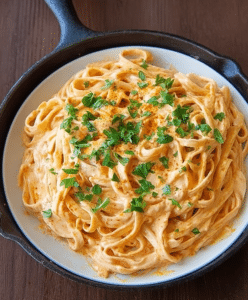
Pour in the heavy cream and chicken broth. Bring the mixture to a gentle simmer (never a hard boil) and let it reduce for 4-5 minutes. Once the liquid has thickened slightly, whisk in the Parmesan cheese. The sauce should transition from a watery consistency to a rich, pale-orange glaze.
Phase Four: The Final Marriage
Add the cooked pasta directly into the skillet with the sauce. Toss vigorously. If the sauce looks a bit too tight or thick, add a splash of your reserved pasta water. The starch in the water will thin the sauce while simultaneously making it “stickier,” ensuring every inch of the pasta is coated.
Finally, fold in your sliced chicken. This warms the meat through and allows any juices from the resting plate to incorporate into the cream. Garnish with fresh parsley for a burst of chlorophyll that cuts through the richness of the dairy.
Customization and Variations
A professional recipe should be a foundation upon which you can build. Depending on your dietary needs or the occasion, you can modify this dish in several ways.
The Seafood Twist: Cajun Shrimp Pasta
If you prefer seafood, replace the chicken with large, peeled and deveined shrimp. Shrimp cook much faster—usually 2 minutes per side—and provide a snappy texture that pairs beautifully with the creamy sauce. If using shrimp, sear them quickly at the start, remove them, and add them back at the very last second to avoid a rubbery texture.
The Vegetable Infusion
To add nutritional density and visual variety, you can sauté sliced bell peppers (red and yellow provide a beautiful color contrast) and onions along with the garlic. Spinach is also a popular addition; simply toss two cups of fresh baby spinach into the sauce during the final minute of simmering. It will wilt almost instantly and add an earthy brightness to the meal.
Adjusting the Heat
Not everyone has the same tolerance for spice. If you are cooking for a family with varying tastes, use a “Mild” Cajun seasoning blend and provide red pepper flakes on the side. Conversely, if you want to heighten the experience, add a teaspoon of hot sauce or a squeeze of fresh lemon juice at the end. The acidity of the lemon acts as a “flavor highlighter,” making the spices taste sharper and more defined.
Troubleshooting Your Cajun Pasta
Why is my sauce grainy?
A grainy sauce is usually the result of adding the Parmesan cheese to liquid that is too hot. If the sauce is boiling when the cheese hits it, the proteins in the cheese can clump together rather than melting smoothly. Always turn the heat down to low before whisking in your cheese.
Why did my sauce break or become oily?
“Breaking” occurs when the fat separates from the liquid. This often happens if the sauce is boiled too violently or if you used a low-fat substitute (like whole milk) instead of heavy cream. Heavy cream is stable; milk is not. If your sauce breaks, try whisking in a tablespoon of the starchy pasta water—the starch can sometimes act as a stabilizer to bring the emulsion back together.
The pasta absorbed all the sauce!
Pasta is incredibly thirsty. If you let the dish sit for even 10 minutes before serving, the noodles will drink up the moisture in the sauce. This is another reason why reserving pasta water is crucial. Simply add a splash of the water (or a bit more cream) and toss the pasta over low heat to “re-hydrate” the sauce before serving.
Frequently Asked Questions
Can I make this dish ahead of time?
While pasta is always best served fresh, you can prepare the Cajun chicken and the sauce base up to 24 hours in advance. Store them separately. When you are ready to eat, boil the pasta fresh, reheat the sauce gently on the stove with a splash of broth, and combine.
What is in Cajun seasoning?
Most Cajun blends consist of salt, garlic powder, onion powder, black pepper, cayenne pepper, dried oregano, and thyme. If you are watching your salt intake, look for “salt-free” Cajun blends so you can control the seasoning yourself.
Can I use half-and-half instead of heavy cream?
You can, but proceed with caution. Half-and-half has a lower fat content and is much more likely to curdle if it reaches a boil. If you use it, ensure you keep the heat very low and consider adding a teaspoon of flour to the butter and garlic (creating a roux) to help stabilize the thinner liquid.
Is smoked paprika different from regular paprika?
Yes, significantly. Regular (sweet) paprika is mild and slightly fruity. Smoked paprika (pimentón) is made from peppers that have been dried over oak fires. It provides a deep, “barbecue” aroma that is essential for the authentic Cajun flavor profile.
How do I store leftovers?
Store leftovers in an airtight container in the fridge for up to three days. To reheat, avoid the microwave if possible, as it can make the chicken rubbery and the sauce oily. Instead, use a small pan on the stove over low heat and add a tablespoon of water or milk to loosen the sauce as it warms.
Can I use a different pasta shape?
Absolutely. While penne and fettuccine are the standards, rigatoni is excellent for catching chunks of garlic and spice, and bow-tie (farfalle) pasta makes for a very kid-friendly presentation.
What should I serve as a side?
Because this dish is quite heavy and spicy, it pairs perfectly with a crisp green salad or a side of crusty French bread. The bread is particularly useful for mopping up any leftover Cajun cream sauce at the bottom of the bowl.
Can I use frozen chicken?
You can, but ensure it is completely thawed and patted dry with paper towels before seasoning. If the chicken is damp when it hits the oil, it will steam rather than sear, and you will miss out on the flavor provided by the browned crust.
Is this dish very spicy?
It has a “kick,” but it is generally considered “family-friendly” medium heat. The heavy cream does an excellent job of mellowing out the peppers. If you are very sensitive to spice, simply reduce the amount of Cajun seasoning in the sauce and keep it on the chicken only.
Does the brand of Cajun seasoning matter?
Every brand has a different ratio of salt to spice. Some are very salt-heavy (like Tony Chachere’s), while others focus more on the herbs. Always taste your sauce before adding extra salt, as your seasoning blend might already have enough.
Conclusion
Creamy Cajun Chicken Pasta is a testament to the power of a few well-chosen ingredients and proper culinary technique. By searing the chicken to develop a crust, blooming your spices in butter, and using starchy pasta water to perfect your emulsion, you transform a simple pasta dish into an explosive, multi-dimensional meal. The balance of the smoky paprika, the aromatic garlic, and the luxurious heavy cream creates a dining experience that satisfies the need for both excitement and comfort. Whether you stick to the classic chicken preparation or venture into shrimp and vegetable variations, the principles of flavor layering outlined in this guide will ensure your Cajun pasta is a resounding success. Enjoy the bold, spicy, and creamy journey of a true Louisiana-inspired masterpiece.
Print
The Ultimate Guide to Creamy Cajun Chicken Pasta: A Masterclass in Spicy Comfort
- Total Time: 40 minutes
- Yield: 4 servings
Description
This Creamy Cajun Chicken Pasta is a bold, flavor-packed dinner featuring tender seasoned chicken, perfectly cooked pasta, and a rich, spicy Cajun cream sauce.
Ingredients
- For the Chicken
- 2 chicken breasts
- 1 tablespoon olive oil
- 1 tablespoon Cajun seasoning
- Salt and pepper to taste
- For the Pasta
- 12 oz pasta (penne, fettuccine, or spaghetti)
- Salt for boiling water
- For the Sauce
- 2 tablespoons butter
- 4 cloves garlic, minced
- 1 tablespoon Cajun seasoning
- 1 teaspoon smoked paprika
- 1 cup heavy cream
- 1/2 cup chicken broth
- 1/4 cup grated Parmesan cheese
- Fresh parsley (optional)
Instructions
- Season chicken with Cajun seasoning, salt, and pepper.
- Heat oil in a skillet and cook chicken 6–7 minutes per side until fully cooked. Remove and slice.
- Cook pasta in salted water until al dente. Reserve 1 cup pasta water, then drain.
- In the same skillet, melt butter and sauté garlic for 1–2 minutes.
- Add Cajun seasoning and paprika, cooking briefly to enhance flavor.
- Pour in heavy cream and chicken broth, simmer 4–5 minutes until slightly thickened.
- Stir in Parmesan cheese until melted and smooth.
- Add pasta and toss to coat, using reserved pasta water if needed.
- Add sliced chicken and mix well.
- Garnish with parsley and serve hot.
Notes
- ]
- Add shrimp instead of chicken for variation.
- Include vegetables like bell peppers or spinach for extra nutrition.
- Adjust spice level with extra Cajun seasoning or chili flakes.
- A squeeze of lemon juice brightens the dish.
- Prep Time: 15 minutes
- Cook Time: 25 minutes
- Category: Main Dish
- Method: Stovetop
- Cuisine: Cajun